Last updated: November 06, 2026
Key Takeaways
- A house viewing red flag is a visible clue that may point to a structural, moisture, mechanical, or safety problem later.
- Start with the ceiling, floors, and smell, because those first 2 minutes often reveal the most.
- The basement, attic, and foundation show whether the house has been managing water or fighting it.
- Roof damage often shows up inside the house before anyone climbs a ladder.
The quickest way to spot house viewing red flags is to look for clues of water, movement, and neglect before you fall in love with the layout. In this guide to How to Spot Red Flags During a House Viewing, a home can look fresh on the surface and still hide property condition warnings in the attic, basement, foundation, roof, windows, HVAC system, and electrical panel.
The red flags that matter most in a 15-minute showing
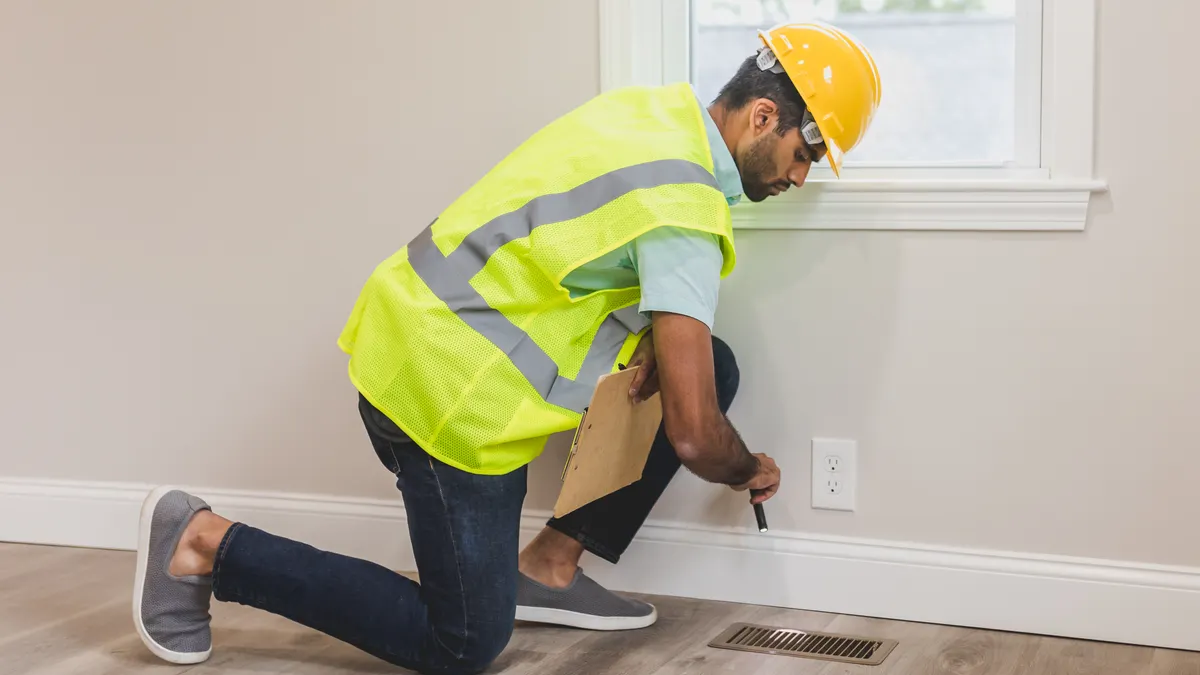
A house viewing red flag is any visible sign that points to a structural, moisture, mechanical, or safety problem that will cost time or money later. I would rank the biggest warning signs in this order: water stains, active dampness or musty odors, foundation cracks, roof damage, poor drainage, electrical trouble, and signs that systems have been patched instead of maintained.
Because a showing is only a first pass, use it to collect evidence, not to diagnose everything; if you see a serious concern, consult a qualified home inspector or relevant professional. A brown ring on a ceiling, a bowed basement wall, or a panel with tangled wiring does not prove the whole house is a disaster. It does tell you where to focus next. That matters because a polished kitchen can hide a tired shell.
The mistake most buyers make is treating every flaw as cosmetic, so if you are unsure, consult a professional before you decide it is harmless. Scratched floors are annoying. Stains around a chimney, sagging roof lines, or a basement that smells like wet cardboard are different. Cosmetic defects usually affect comfort. Moisture and movement affect the bones of the house.
A smart showing mindset is simple: if the sign involves water, structure, heat, power, or airflow, slow down. If it is only paint, hardware, or decor, keep moving. That filter saves energy fast during a 20-minute tour.
For broader buying context, the hub article on buying a home can sit next to this one. This page is only for property condition warnings you can spot before an inspection, and the Consumer Financial Protection Bureau also suggests using a home inspection to understand condition before you buy.
What should I look for first when I walk in?
I would start with the ceiling, floors, and smell because those three cues often reveal the most in the first 2 minutes. Stand still in the entry for a moment and notice whether the home smells stale, damp, sweet, or heavily air freshened. Musty odors often show up before visible mold or staining, especially near basements, closets, and closed rooms.
Then scan upward. Look for water stains around light fixtures, vents, corners, and the tops of walls. A yellow or brown patch usually means water moved through the material at some point. Fresh paint in one small area can mean a repair was made to cover that trace, not solve the source.
Next, look down. Uneven floors, separated trim, gaps at baseboards, and doors that won’t close cleanly can point to settlement or foundation movement. One sticky door is not proof of a structural problem. A cluster of sticking doors, sloped floors, and cracked finishes in the same area is more serious.
A useful rule: the first 5 minutes of a viewing should tell you whether the house feels dry, level, and cared for. If it does not, do not let staging distract you.
The first-pass checklist I would use
- Pause in the entry for 30 seconds. Notice odor, humidity, and air movement. A damp or stale smell often points toward the basement, attic, or hidden leaks.
- Scan ceilings and upper wall corners. Look for stains, bubbling paint, cracked plaster, and patchy repairs. These often sit under roof leaks or plumbing issues.
- Walk the main floor slowly. Watch for sloping, springy spots, and floorboards that separate at seams. Movement here can hint at foundation or subfloor trouble.
- Open and close 3 to 5 doors and windows. Sticking, dragging, or painted-shut openings can point to framing shift, poor maintenance, or old hardware.
- Check the base of walls near kitchens, bathrooms, and exterior walls. Soft trim, discoloration, or swelling suggests moisture intrusion rather than normal wear.
- Step outside and look at water flow. Downspouts that dump beside the foundation, negative grading, or puddles near the house are drainage red flags that often lead to basement moisture.
Red flags in the basement, attic, and foundation
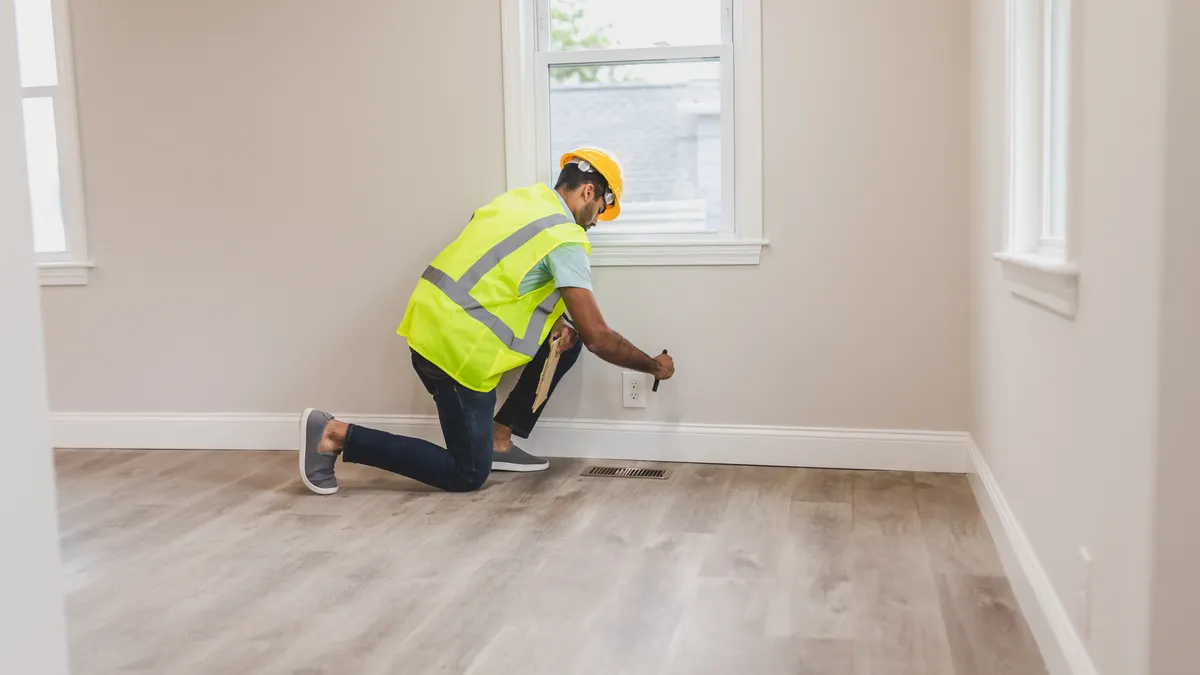
The basement, attic, and foundation tell you whether the house has been managing water or fighting it. These three spaces are where a lot of visible warning signs show up, even when the main rooms look polished.
In the basement, look for efflorescence, which is the white mineral crust that forms when water moves through masonry and leaves salts behind. It is not cosmetic dust. It is evidence that moisture has traveled through the wall. Also look for peeling paint, rust on metal posts, warped baseboards, and a sump pump that looks neglected or unplugged.
In the attic, check for daylight at the roof deck, dark rings on the underside of sheathing, compressed insulation, and mold-like spotting around vents. A clean attic is usually dry and well ventilated. A musty attic, especially one with stained rafters, often points to roof leaks or condensation that has been building for a while.
On the foundation, hairline cracks can be common in some materials, but stair-step cracks in brick, horizontal cracks, or cracks wider than a thin line deserve attention. What matters is pattern, location, and whether the crack looks old and stable or fresh and active. A single small crack is not the same thing as several cracks with displaced masonry.
Poor drainage is the thread that ties these spaces together. If the ground slopes toward the house, gutters are overflowing, or downspouts end right beside the foundation, water has a direct path inside. That kind of setup often leads to basement seepage and long-term dampness.
What to notice in each space
- Basement: smell, salt stains, rust, standing water, patchy sealant.
- Attic: stains, mold-like spotting, damp insulation, blocked vents, roof daylight.
- Foundation: crack shape, wall bowing, spalling, separated mortar, uneven settlement.
If one of these areas shows trouble, I would not assume the others are fine. Water problems often travel. A wet basement and a tired attic can come from the same roof, gutter, or grading problem.
Roof damage and window clues that people miss
Roof damage often shows up inside the house before anyone climbs a ladder. Inside, look for stains on ceilings, warped trim near exterior walls, and moisture marks around upper-story windows. Outside, from the ground, look for visible sagging, missing shingles, curled edges, dark streaks, or patches that appear newer than the rest of the roof.
A roof does not need to be caving in to be a red flag. Granule loss, patch repairs, and uneven ridges can signal age or poor installation. A roof with repeated patchwork is not automatically failing, but if you are unsure, consult a roofing professional because it is telling you the owner has been treating symptoms one leak at a time.
Windows offer their own clues. Fogging between double-pane glass usually means the seal has failed. That is not a structural disaster, but it does mean the insulated glass unit is no longer performing as intended. Also check for rot at the sill, flaking paint, water staining below the frame, and windows that stick or refuse to stay open.
Older homes can have character and still have window problems. The issue is not age by itself. It is neglect, moisture, and repeated repair without upkeep. A solid old window can close properly and show intact wood. A tired one will be swollen, drafty, and patched with caulk in several places.
If the roof, soffits, and window frames all show stress at once, the house may have had chronic water intrusion. That is a bigger concern than a single cosmetic flaw because it suggests the envelope of the house has been compromised.
Electrical panel and HVAC system warnings during a showing
The electrical panel and HVAC system can tell you a lot about safety, maintenance, and hidden cost. The panel should look orderly, labeled, and free of scorch marks, rust, double-tapped breakers, or tangled add-ons. If the panel door is missing, the labels are absent, or the wiring looks improvised, treat that as a real warning sign and ask a licensed electrician to review it.
You do not need to be an electrician to spot obvious trouble. Burn marks, buzzing, warm covers, or breakers that appear mismatched are not normal. If the home has old-style fuse boxes or a panel that looks heavily modified, note it and move on. Electrical issues can turn into expensive upgrades fast, and they affect both safety and financing in some cases.
The HVAC system deserves the same attention. Look at the age plate if it is visible, the condition of the furnace cabinet, the condensate line, and the filter access. Rust, dust buildup, and water around the base of the unit point to neglect or drainage trouble. A system that has been patched with tape, loose duct connections, or missing covers is not being maintained well.
Listen when the system runs. Loud rattling, repeated cycling, or weak airflow can suggest worn parts, duct problems, or poor sizing. A house that feels unevenly heated or cooled may have distribution problems, not just thermostat settings.
This is the section where I would be most cautious about dismissing what I see. Electrical and HVAC defects are not glamorous, but they can be the most expensive hidden problems in the house. They also matter for safety, which is why they deserve more than a quick shrug during a tour.
Common mistakes buyers make at a viewing
The biggest mistake is explaining away a pattern of clues as “just an old house.” Age is not the issue by itself. An old house with dry walls, stable floors, and a clean mechanical room can be fine. An old house with stains, cracks, bad drainage, and a tired panel is asking for more scrutiny.
Another mistake is focusing on one dramatic flaw and missing the cluster around it. A single cracked tile may not mean much. A cracked tile, musty smell, peeling paint, and efflorescence in the basement tell a much fuller story. Patterns beat isolated details.
Buyers also miss what is hidden by staging. Heavy rugs can cover floor slope. Fresh paint can hide patch work. Open windows and scented candles can distract from dampness. A neat setup does not cancel out visible decay.
A fourth mistake is stopping at the pretty rooms. Kitchens and primary bedrooms get the attention because they sell the feeling of the house. Attics, basements, utility closets, and exterior drainage tell you how the house has actually been cared for.
If you only remember one thing, make it this: a well-presented house can still have serious property condition warnings. Presentation and condition are not the same job.
How to turn what you see into a decision
The right response to a red flag is to separate cosmetic issues from evidence of system failure. Paint chips and worn carpet can wait. Water intrusion, foundation movement, roof defects, and electrical trouble cannot be dismissed just because the house is otherwise attractive.
A practical way to leave a showing is to sort your notes into three buckets. First, cosmetic items: scratched finishes, dated fixtures, worn carpet. Second, watch-list items: minor cracks, older roof coverings, older windows, aging HVAC. Third, serious warnings: musty odors with staining, active moisture, foundation cracks with movement, obvious panel damage, or signs of roof leakage.
That sorting helps you avoid two bad decisions: panicking over harmless wear and ignoring true warning signs. It also helps you ask for the right next step later, whether that is a deeper inspection or simply walking away. This article does not cover negotiation or inspection strategy; it is only about spotting the clues early.
A home is not automatically a bad buy because it has red flags. But if the showing gives you several clues from different systems — water, structure, roof, electrical, HVAC — I would treat that as a house telling you to slow down.
What are the biggest warning signs in a home?
The biggest warning signs in a home are signs of water, structural movement, and unsafe systems. Musty odors, ceiling stains, foundation cracks, roof damage, poor drainage, and electrical panel problems deserve attention first. One issue can be manageable, but several in the same house often mean a deeper maintenance or moisture problem. According to the U.S. Environmental Protection Agency, moisture control is central to preventing mold problems.
How can you tell if a house has hidden problems?
You can tell a house may have hidden problems by looking for clusters of small clues instead of one dramatic defect. Fresh paint over stained areas, sticky doors, warped trim, damp smells, rust, and patchy repairs often point to problems behind the surface. The attic, basement, and utility areas usually reveal more than the staged rooms, and the Consumer Financial Protection Bureau recommends a home inspection as part of the buying process.
What should buyers look for in an old house?
Buyers should look for signs that the old house has been maintained, not just preserved. Check the roof, windows, foundation, basement, attic, electrical panel, and HVAC system for visible wear, water intrusion, and repairs that look improvised. Age alone is not the issue; neglected systems and repeated moisture problems are the real warning signs.
Drafted with AI; not yet reviewed by a person.