
Last updated: November 12, 2026
Key Takeaways
- Start electricity, water, and internet first, then gas, trash service, and mail forwarding.
- Set up the services that make the home usable before you bring anything inside.
- Call the provider directly or use the company’s online move-in form, then ask for the move date and service address to be entered on the account.
- Handle electricity first, water second, and gas third because those are the services most likely to affect day-one livability.
Moving in is easier when How to Set Up Utilities and Services When You Move Into a New Home starts before move-in day. The job is to contact each utility provider, switch or start electricity, water, gas, internet, trash service, and postal service, and confirm every start date before you unpack.
These steps below settle the order, timing, and the mistakes that leave a house dark or disconnected.
Set up utilities in the right order
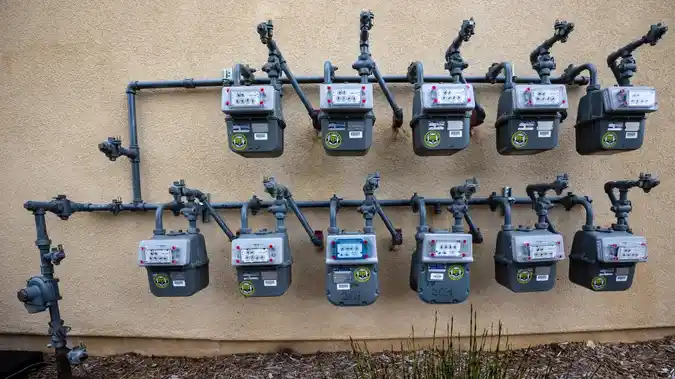
Picture this: you’ve got keys in one hand, boxes in the hallway, and a dead Wi‑Fi signal. The usual fix is to handle electricity, water, and internet first, then gas, trash service, and mail forwarding in that order.
-
List every service name and provider before you call.
Write down electricity, water, gas, internet service, trash service, and postal service, plus the account number if the seller left one. A single page keeps you from missing a utility that needs a start date. -
Call each utility provider and request a start date.
Ask for service to begin the day before move-in if possible, not the afternoon after you arrive. That gives you time to find a missed breaker, closed valve, or wrong account without sitting in the dark. -
Confirm the transfer or new account in writing.
Save the email or portal confirmation and check the address, start date, and name on the account. One typo can send the bill to the wrong place for a month. -
Schedule internet installation early if the home needs a technician.
Internet service often takes the longest because of appointment windows and equipment drops. If the address needs a new line or modem pickup, book it as soon as you know your move date. -
Set trash service and mail forwarding after the core utilities are in place.
Trash pickup and postal service are easy to forget because the house still “looks” ready. They matter on day one, especially if the neighborhood uses fixed pickup days or the seller’s mail is still landing there.
Here’s the catch: the order matters because some services can be started by phone in 10 minutes, while others need an install visit. Do the slow ones first.
What do I set up before moving day for utility setup?
Set up the services that make the home usable before you bring anything inside. Electricity and water usually come first, then gas if the home uses it, then internet and trash service.
The truth is, a move-in with no power creates a chain of small problems. You can’t charge phones, run the furnace fan, or test appliances, and a missed water start can stop you from checking leaks before the first night.
- Electricity: Start it at least 1 day before you arrive if the provider allows it.
- Water service: Make sure it begins before you wash dishes or run toilets.
- Gas service: Arrange it early if the home uses gas heat, a gas stove, or a water heater.
- Internet service: Book early when the home needs installation or equipment pickup.
- Trash service: Confirm the pickup day before move-in so bins do not sit out for a week.
- Postal service: Submit mail forwarding so bills and documents follow you.
A common mistake is waiting until moving day to call. That can turn into same-day fees, install delays, or a house that is technically yours but not ready to live in.
How do I contact each utility provider?
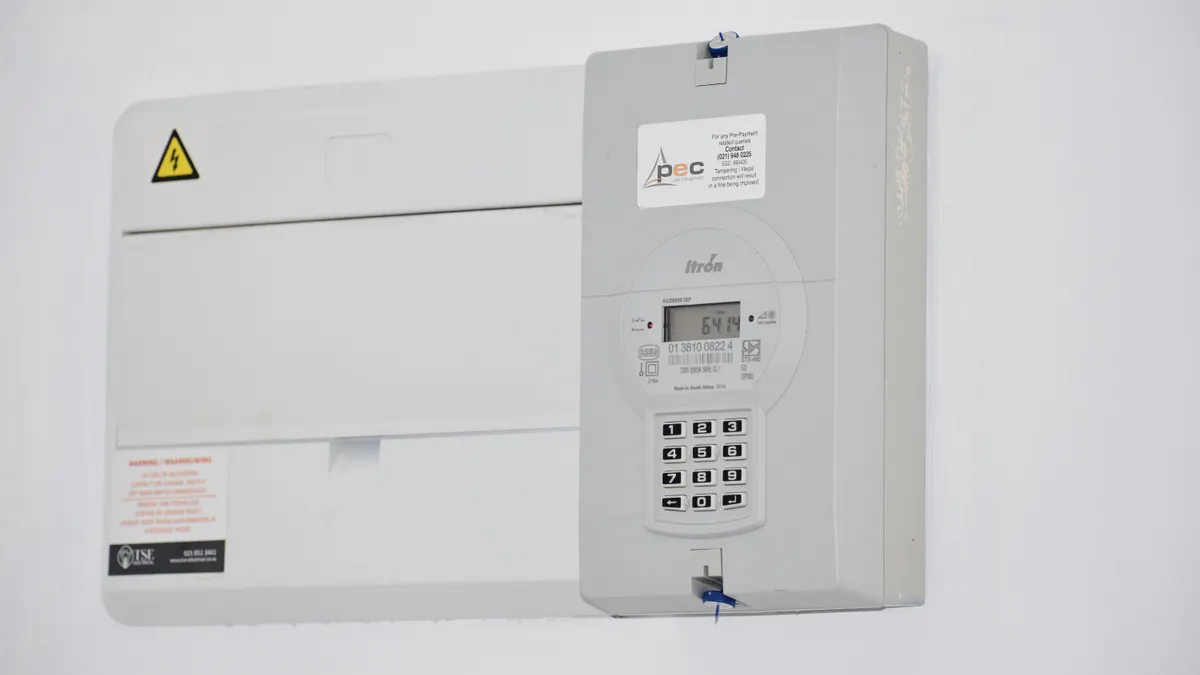
Call the provider directly or use the company’s online move-in form, then ask for the exact move date and service address to be entered on the account. That is the cleanest way to start a utility account without missing a meter or unit number.
Start with the company name from the seller, realtor, lease packet, or county records. If you do not have the account number, the provider can often look up service by address and meter number.
Use this checklist when you contact each provider:
- Full service address: Include apartment, unit, or lot number.
- Move-in date: Give the day you need service live, not the day you close.
- Billing name: Match the name you want on the account and the ID you will use.
- Phone and email: Use ones you will check during the first week.
- Meter or account number: Helpful if you have it, but not always required.
- Special requests: Ask if there is an install appointment, deposit, or same-day cutoff window.
If the old owner or tenant hasn’t closed their account, ask the provider how they handle overlap. That keeps you from inheriting someone else’s stop date or a surprise gap. For electricity and gas, a provider may need meter access or a technician window, so keep a 2- to 4-hour block open on the calendar.
One calm call can prevent three repair calls later.
How do I handle electricity, water, and gas service?
Handle electricity first, water second, and gas third because those are the services most likely to affect day-one livability. If the home has a furnace, gas range, or gas water heater, gas service should be arranged before you move boxes in.
Electricity is usually the easiest account to start. The provider may only need your name, address, move date, and ID. Once it is live, you can test lights, outlets, HVAC controls, and appliances before the house fills with furniture.
Water service is the next one to confirm. You want pressure at sinks, toilets, and showers before your first night. If the home has been vacant, run each faucet briefly to clear stale water and check for drips under sinks.
Gas service is the one most people leave too late. It can require a start request, a safety check, or a technician visit, depending on the home and local rules. If the furnace or water heater needs ignition, schedule it early enough to avoid a cold first night.
A practical way to handle these three:
-
Open the electricity account first.
Result: you can use lights, the fridge, and outlets. -
Open the water account next.
Result: you can flush toilets and check plumbing. -
Open the gas account last, but not late.
Result: heat, hot water, and the stove are ready when needed.
One honest trade-off: same-day service is not always guaranteed. If your move is on a Friday or near a holiday, start the accounts earlier than you think you need to.
What about internet service, trash service, and postal service?
Set up internet service early, trash service next, and postal service right away, because these are the services that fail you in small but annoying ways. A house can look ready and still be a mess without them.
Internet service deserves the most lead time. Some homes already have an active line and only need a modem or account transfer. Others need a technician appointment, equipment drop-off, or activation window. If you work from home, that appointment can shape the whole move week.
Trash service is easy to overlook until the bins are full. Check the pickup day, what container size the neighborhood uses, and whether the service starts automatically with the address or needs a fresh account. A missed start can leave you with two weeks of bags in the garage.
Postal service is simple, but it should not wait. File mail forwarding so tax forms, bank mail, and package notices go to the new address. If you are still closing accounts, keep an eye on the old mailbox too, since some mailers update slowly.
Use these reminders:
- Internet service: Confirm whether you need a technician, self-install kit, or modem pickup.
- Trash service: Ask what day pickup happens and where bins go.
- Postal service: Set forwarding so it starts before the first bills arrive.
Now, you might be wondering if all three need the same day. They don’t. Internet should be booked first; trash and mail can follow once the move date is fixed.
What mistakes cause the biggest delays?
The biggest delays come from missing the move date, starting one service too late, or assuming the seller left everything active. Those mistakes can cost you a night without power, a week without internet, or a pile of mail sent to the wrong house.
The most common errors are plain and expensive:
-
Using the closing date instead of move-in day.
You may pay for unused service or arrive to a home that is still off. -
Forgetting the unit number.
That can block activation for apartments, duplexes, and shared addresses. -
Leaving internet until after unpacking.
You can lose several days to install windows or equipment shipping. -
Skipping a written confirmation.
If the order is wrong, customer service may have no record of the date you requested. -
Ignoring mail forwarding.
That sends bills, insurance letters, and account notices to the old place.
A better move is to keep one simple sheet with provider name, account status, start date, confirmation number, and phone number. That is boring. It also works.
For broader first-year planning, the homeownership and maintenance hub gives the next layer after move-in is handled.
How do I change my address after moving?
Change your address by filing postal forwarding first, then updating banks, insurers, employers, and subscription accounts one by one. The postal step catches stray mail, but it does not update every company that sends you bills or statements.
Start with the postal service because it is the quickest way to route mail from the old address to the new one. After that, update the address on your bank accounts, credit cards, loan servicers, insurance policies, payroll forms, and delivery apps.
Use this order:
-
File postal forwarding.
Result: mail sent to the old home is redirected during the transition. -
Update your financial accounts.
Result: statements and alerts go to the right place. -
Change insurance and employer records.
Result: legal and payroll mail stays current. -
Refresh shopping and subscription profiles.
Result: deliveries and package alerts stop going to the old address.
A useful detail: some companies need separate billing and shipping addresses, so check both fields. If you only change one, you can still miss an invoice or misroute a package.
When should I transfer utilities before moving?
Transfer utilities as soon as you know your move date, and no later than a few days before the move when possible. Electricity, water, and gas can sometimes be started quickly, but internet service may need an appointment window. The earlier call gives you room to fix account errors.
What utilities should I set up first?
Set up electricity and water first, then gas, internet service, trash service, and postal service. Those two core utilities make the home usable right away, and the rest fill in the parts that keep daily life moving. If the home uses gas heat or hot water, move gas higher on the list.
How do I change my address after moving?
Change your address by starting postal forwarding and then updating each account that sends you mail or bills. Postal forwarding catches paper mail, but it does not update every business record. Banks, insurers, employers, and subscription accounts still need to be changed directly.
Drafted with AI; not yet reviewed by a person.
