Last updated: October 22, 2026
Key Takeaways
- An as-is sale means the buyer accepts the home’s current condition and the needed repairs.
- You still have to disclose known defects in an as-is sale.
- Price an as-is house for its condition, not like a normal move-in-ready home.
- Write the listing to filter for the right buyer, not to oversell the house.
Selling a house as-is means putting the property on the market in its current condition and telling buyers up front that you are not making major repairs before closing. If you are looking at How to Sell a House As-Is Without Major Repairs, the core issue is price, disclosure, and wording. That can work well, but only if the price, disclosure, and listing language are handled carefully. The job is not to hide defects; it is to sell with eyes open and fewer contingencies.
What an as-is sale really means

An as-is home sale means you are offering the house in its present state, with the buyer taking on the repairs you are not willing to do. It does not mean you can skip disclosure, ignore safety issues, or assume the buyer will waive inspection. In practice, buyers still expect to know what they are getting, and many will still order a home inspection before they commit.
The phrase shows up in listing remarks, purchase agreements, and seller conversations, but it carries a simple message: the seller is not promising to fix defects. A cracked foundation, an aging roof, a failing HVAC unit, stained drywall after a leak, or outdated electrical work can all stay in place if the buyer accepts them. The sale price usually reflects that condition.
This route is often right for a house with repairs that are too costly, too numerous, or too hard to coordinate before closing. It is also common when a seller needs speed, has inherited a property, or does not want to manage contractors. It is not a good fit when the home is close to move-in ready and a modest repair budget could unlock a stronger market price.
A generic article often misses the central trade-off: as-is is not a repair-free shortcut to full market value. The buyer is pricing in time, uncertainty, and future work. If the house needs a new roof, new carpet, or a plumbing fix, the buyer will usually discount for those items and for the risk of surprise issues discovered during inspection.
For background on the broader selling process, the hub on selling a home can sit above this page. This article stays on the narrower question: how to sell a house as-is without major repairs.
What sellers still have to disclose
You still have to disclose known defects, even in an as-is sale. The exact rules vary by state, but the practical standard is the same: do not hide material problems you know about, and do not let the word “as-is” become a cover for silence.
A seller disclosure usually covers things like roof leaks, water intrusion, mold history, foundation movement, electrical problems, sewer backups, termite damage, or HVAC failures. If a repair was made, the buyer may also want to know what was fixed, who did the work, and whether any warranty or permit record exists. If you have old invoices for a furnace, water heater, or rewire, keep them handy.
Before you list, it helps to read official guidance. The National Association of Realtors has disclosure resources, and the federal EPA’s Renovation, Repair and Painting Rule matters if the home was built before 1978 and might contain lead-based paint. The details matter because disclosure duties and lead-paint paperwork are common trouble spots in older homes.
The biggest mistake here is trying to let the buyer “discover it during inspection.” That approach can cost you the deal, trigger a price reduction, or create a post-contract dispute if the issue was known before listing. A better approach is to complete the seller disclosure form carefully, attach relevant repair records, and describe the problem plainly rather than defensively.
If a defect is visible, mention it in the listing remarks only if that is customary in your market. If it is hidden but known, disclose it in the required form and be ready to answer questions. A buyer who feels surprised at the last minute is far more likely to walk.
How to price a no-repair listing without guessing
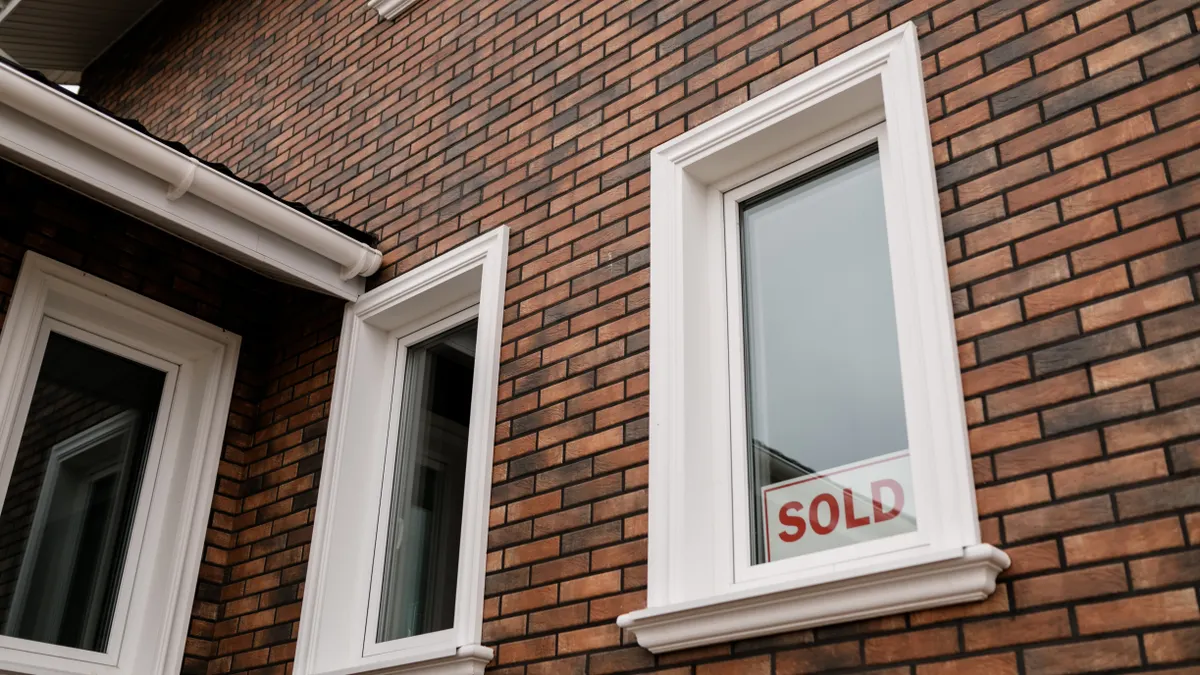
Price an as-is house as a condition-sensitive listing, not as a normal home with a cosmetic discount. Buyers compare it to repaired homes in the same area, then subtract for visible damage, likely inspection findings, financing friction, and the inconvenience of doing work after closing.
The right number is usually lower than a move-in-ready comparable with the same square footage, lot size, and location. The size of that gap depends on the roof, structure, systems, and overall cleanliness of the home. A house with paint and carpet issues is priced differently from one with active water damage or a failing electrical panel. A buyer does not think in one lump sum; the buyer thinks in a stack of repairs.
A practical way to approach the price is:
- Gather 3 to 5 recent comparable sales in the same neighborhood or a very similar one, within roughly the last 3 to 6 months if your market allows it.
- Identify the cleanest sale price range for homes with similar bedrooms, bathrooms, lot size, and age.
- List the visible defects that a buyer can spot in 10 minutes: roof, windows, flooring, paint, drainage, HVAC age, cabinets, and obvious water damage.
- Add the issues that an inspector is likely to flag, such as aging electrical components, plumbing leaks, missing GFCI protection, or evidence of prior moisture.
- Decide whether the price should attract a retail buyer willing to renovate or a cash buyer looking for a bigger discount and faster closing.
- Set the asking price so the buyer can still make the repairs and feel they are not overpaying for the risk.
A generic listing that simply says “needs TLC” is too vague. That phrase can hide the real condition, and buyers often respond by assuming the worst. Specificity works better: “roof age unknown,” “interior needs cosmetic updates,” or “seller will make no repairs.” That language frames the home honestly and helps the buyer decide whether to visit.
This is the point where a real estate agent can matter. A local agent who has sold distressed or dated homes can tell you how your market treats repair-heavy listings, and you can also consult a professional using local market data from your area. If the house needs a complete price strategy, this page is not the place to reinvent it; that belongs on a pricing guide with local comps and seller net sheets.
How to write the listing so buyers know what they are getting
Write the listing to qualify the buyer, not to oversell the house. The goal is to attract people who can accept the condition and move forward, not people who will be shocked later.
Use plain language in the remarks and in any addendum the buyer will see. Phrases that usually do the job include “sold as-is,” “seller will make no repairs,” and “priced to reflect condition.” If the home has known issues, a short factual line can help set expectations: “charming older home with deferred maintenance” or “investor opportunity with needed repairs.” Keep the tone factual, not apologetic.
The first sentence under the listing should answer the buyer’s main question: can this house be bought without repair requests? If the answer is yes, say so directly. A buyer should not need to read three paragraphs to learn that the seller is not patching the roof, refinishing floors, or replacing appliances.
Use accurate photos, even if they show flaws. A photo of a stained ceiling, a worn bathroom, or an outdated kitchen is better than a misleading angle that leads to disappointment at the showing. If a room is cluttered, clean it enough for the buyer to see the size and condition. That costs a few hours, not a renovation budget.
This section is where generic advice often goes wrong. It tells sellers to “market the potential” without mentioning that some buyers only want turnkey homes. As-is language narrows the audience. That is not a flaw; it is the point. A smaller pool of serious buyers is better than a larger pool of people who will waste your time.
Also, do not bury the condition in the remarks while hoping the photos will do the rest. A buyer who finds hidden damage after the tour is likely to assume the seller was being slippery, even if the contract technically allowed it.
What buyers expect during inspection and negotiation
Buyers still expect to inspect an as-is home, and they often use the inspection to decide whether to proceed, renegotiate, or walk away. The inspection does not disappear just because repairs are off the table.
In a typical as-is transaction, the buyer orders a home inspection, then decides whether the condition matches the price. Some buyers also bring in specialists: a roofer, electrician, plumber, or HVAC technician. If the home is older, they may check for issues that are expensive to diagnose later, such as moisture intrusion, structural movement, or outdated wiring.
The seller’s job is to stay calm when the report arrives. An inspection report is not a moral judgment; it is a repair list. If the deal allows inspection objections, the buyer may ask for credits, a lower price, or a few targeted fixes. If you truly do not want to do repairs, you can stand firm and let the buyer decide whether the discount is enough.
Because of that, an as-is sale does not always mean “no concessions ever.” Some sellers agree to a credit instead of physical repairs, especially if the issue is small and the closing timeline is tight. A credit can be easier than coordinating contractors, but it still reduces your net proceeds. Decide in advance what you will and will not do before the inspection report lands.
One common mistake is reacting defensively to every finding. That can cost the deal over items that were already obvious, such as worn flooring or old appliances. A better move is to separate major items from minor ones. If the report lists 14 issues, focus on the 2 or 3 that truly affect habitability, financing, or safety.
Buyers of as-is homes usually want three things: a clear picture, a fair discount, and a clean closing path. Give them those, and the sale has a better chance of surviving inspection.
Cash buyers can help, but they are not magic
Cash buyers often make the cleanest as-is offers because they usually do not depend on a mortgage, appraisal, or long underwriting timeline. That can shorten closing and reduce the number of moving parts.
Still, “cash” should not be treated as an automatic win. Some cash buyers are investors who expect a steep discount because they plan to resell or rent the property after repairs. Others can close fast but only if the inspection lines up with their numbers. The offer may look simple on paper and still fall apart if the buyer finds a major defect.
If you are comparing buyer types, ask for proof of funds and a clear closing date. Ask whether they plan to inspect, whether they want an assignment clause, and whether they are buying in the buyer’s own name or through an entity. Those are normal questions in an as-is sale, especially if the home needs substantial work.
A cash offer can be the right fit when the house has multiple repairs, the seller wants speed, or the property might not qualify for traditional financing. It is not always the highest-net option, though. Sometimes a conventional buyer with a longer timeline will pay more if the house is still financeable and the defects are manageable.
The trade-off is simple: cash often buys certainty, while financed offers often buy a better price. Pick the one that matches the condition of the house and your closing goal. If the home has serious wear but is still structurally sound, a cash buyer may be the cleanest path. If the house only needs moderate cosmetic work, a wider buyer pool may produce a better result.
The step-by-step way to sell as-is
Sell the house as-is by documenting the condition, setting the price to match it, and screening for buyers who can actually close. That is the whole method, and it works best when each step is done in order.
- Walk the house and write down every obvious defect. Start with the roof, foundation, HVAC, plumbing, electrical, windows, and any sign of water damage. You want a plain list, not a sales pitch, because the list will shape disclosure and pricing.
- Complete the seller disclosure form honestly. If a problem is known, put it in writing. The result should be a disclosure packet that does not surprise the buyer later.
- Gather repair records, permits, warranties, and service receipts. Even a 2-year-old water heater invoice can help show the buyer what was maintained and what was ignored.
- Choose the listing language. Say “as-is” plainly, and add “seller will make no repairs” if that is your position. The buyer should understand the terms before touring.
- Price the home against other houses in similar condition, not against renovated homes alone. If the house needs work, the asking price should leave room for that work.
- Market to the right audience: investors, first-time buyers with renovation budgets, and cash buyers. A home that needs work should not be marketed like a turnkey condo.
- Review offers for more than price. Check inspection rights, financing type, closing date, proof of funds, and contingencies. A slightly lower cash offer may be better than a higher offer that falls apart after inspection.
- Hold the line on what you will and will not fix. If you decide not to repair anything, say so early and repeat it consistently. Buyers can adjust; surprises are what kill deals.
The mistake sellers make is skipping steps 1 through 3 and jumping straight to the listing. That usually creates renegotiation later, when the buyer finds what the seller already knew. A tidy as-is sale comes from clarity, not from hope.
When an as-is sale is the wrong move
An as-is sale is the wrong move when one or two targeted repairs could materially change the buyer pool or the financing options. If a $1,500 fix, a code issue, or a broken system is the difference between a clean sale and a discounted investor offer, “as-is” may cost more than it saves.
It is also a poor fit if the property is only lightly dated and you can handle a short repair list before listing. In that case, buyers may treat the home like a project and still demand a discount, but they may not reward you enough for the condition. A seller who refuses all repairs out of principle can leave money on the table.
Another warning sign is emotional drift. If you are using “as-is” to avoid looking at the house, dealing with paperwork, or facing what the inspection might show, the sale can become messy fast. The process still requires attention to disclosure, document handling, and negotiation. A real estate agent can help organize that, and a real estate attorney can advise if state law or contract language raises a concern.
This is especially true when the property is only slightly rough, because the principle is not to avoid work at all costs; it is to avoid repairs that do not pay back in price. When the condition is manageable, you may get a better result by fixing a few items first. If the home is truly distressed, the as-is route may still be the cleaner path.
What matters most is whether the house, the budget, and the buyer pool line up. If they do not, forcing an as-is sale can create a longer timeline and a weaker net. If they do, the process can be straightforward and predictable.
Drafted with AI; not yet reviewed by a person.