Last updated: November 02, 2026
Quick Answer: A realistic way to save for a down payment faster is to set a dollar goal, choose a deadline, and automate transfers into a separate savings account; if you can save $667 a month toward a $12,000 target over 18 months, you have a clear starting point.
How to Save for a Down Payment Faster works best when you turn “someday” into a specific homebuying target. The trick is not just cutting lattes; it is setting a dollar goal, assigning a deadline, and moving money into the right account before you have time to spend it.
Key takeaways
- Start with one exact savings target, not a vague “20% if possible” guess.
- Put the money in a separate savings account so it is harder to spend.
- Use automatic transfers first, then layer in budget cuts and side income.
- Gift funds and down payment assistance programs can shorten the timeline, but each has rules.
- A faster plan is not always the best if it drains your emergency fund or leaves you unable to cover closing costs.
Build your down payment savings plan before you change your budget

Your first move is to write down the number you are saving, the month you want to buy, and the monthly amount that gets you there. If you have a target like $12,000 in 18 months, the math is simple: divide the goal by the number of months and you get a baseline monthly savings target of about $667 before interest.
Use a separate savings account for this. A plain, insured savings account at a bank or credit union is usually enough. Keep it away from your checking account so rent, food, and impulse spending do not blur into house money. If your bank offers automatic transfers, turn them on for the day after payday. The goal is for the transfer to happen before you notice the cash is gone.
Set the plan in this order:
-
Pick a target amount for the down payment, even if it is an estimate.
A concrete number on paper, such as $10,000 or $25,000, makes the plan easier to measure. -
Choose a date you want the money ready.
A date 12 to 24 months out gives you a real deadline and enough time to adjust your budget. -
Divide the target by the number of months left.
If the answer is too high, you have learned that the target or timeline needs to change. -
Open or label a separate savings account.
You want a place where the balance rises and does not get mixed with bill money. -
Set an automatic transfer on payday.
When it works, money leaves your checking account without a monthly decision. -
Review the plan once a month.
If the balance is rising and the due date is moving closer, the plan is working.
This step is boring on purpose. A generic “save more” tip does not tell you whether you need $400 a month or $900. A home down payment savings plan does.
How much should you save each month for a down payment?
You should save the amount that closes the gap between your target and your deadline, then test whether it is realistic against your current budget. If the monthly number feels too high, lower the home price target, extend the timeline, or add another funding source instead of pretending the math will improve on its own.
A simple worksheet works better than guesswork. Start with three lines:
- Down payment goal
- Months until you want to buy
- Monthly savings target
Then add a fourth line for likely extras. A down payment is usually not the only cash you will need. Closing costs, moving costs, and the first month of homeownership can show up at the same time. That is why a plan that saves only the minimum down payment can still leave you short.
A useful rule is to build two targets, not one:
- Core target: the down payment itself
- Safety target: a cushion for closing costs, moving, and early repairs
If you are using a conventional loan, a smaller down payment may still work, but a smaller target can raise your monthly payment and may trigger mortgage insurance. If you are using a government-backed loan, the down payment rules may differ. A lender or housing counselor can help with that part; this page is about the savings plan itself, not loan qualification.
The trade-off is obvious: a bigger monthly savings number gets you there sooner, but it can also strain your budget and make you backslide. If the target requires you to skip essentials or drain every dollar from your checking account, the plan is too aggressive. In that case, the better move is to stretch the timeline or bring in a second source of funds.
For a practical homebuying path, this page fits alongside the broader buying a home hub without repeating the rest of the process.
Cut the biggest expenses first, not the smallest ones
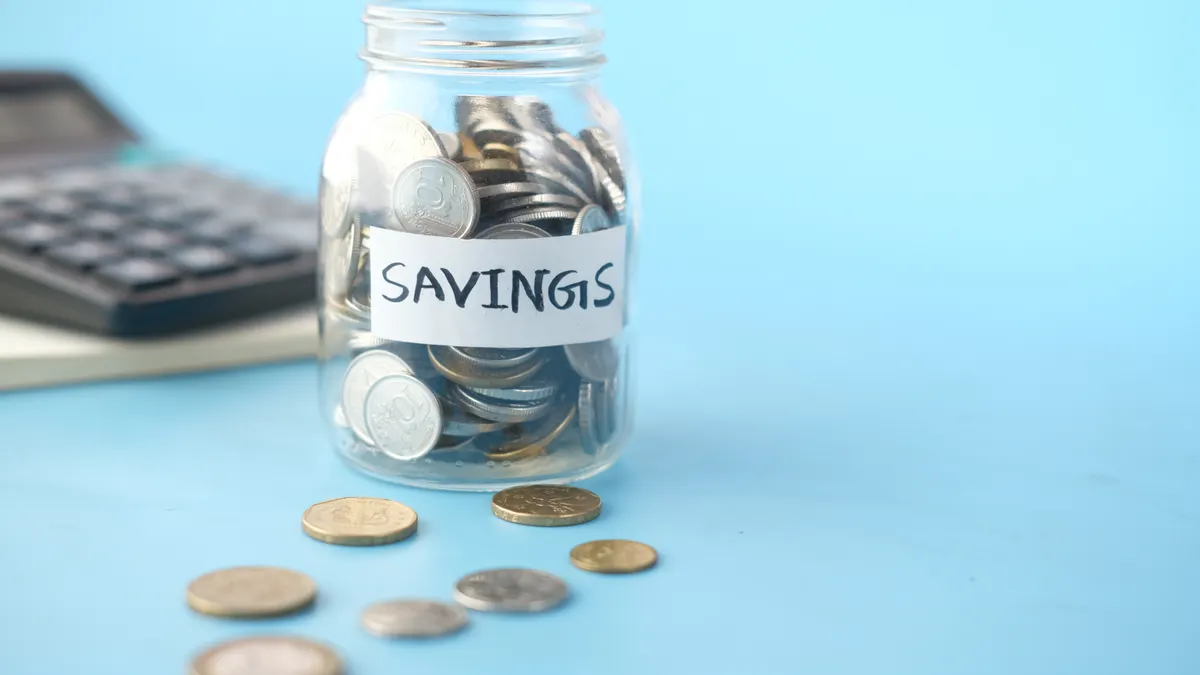
You should start with the expenses that free up $50, $100, or more per month, because small cuts rarely move a down payment timeline by much. Selling one streaming bundle or making coffee at home is fine, but those changes usually do not change the finish date by months.
The recurring budget cuts that usually help most are the ones that happen every month:
- Housing costs you can reduce by getting a roommate or renegotiating a lease when possible
- Car costs, including a second vehicle, premium insurance, parking, or unused subscriptions tied to the car
- Food spending, especially takeout and convenience meals
- Subscription services that keep renewing because you forgot them
- High-interest debt payments, if you can refinance or pay balances down faster
Track spending for 30 days before you cut. Use bank and card statements, not memory. Many people think the problem is coffee and find out the real drain is food delivery, ride shares, or retail purchases that happen in small bursts. A budget built from statements is harder to fool.
Then move the freed-up money straight into the savings account. If you save $75 from food and $125 from subscriptions, that is $200 a month that can be transferred automatically. The result is visible: the balance should rise faster without requiring a new decision each week.
Do not slash everything. If you cut too hard, you usually rebound. A sustainable plan keeps at least some room for a low-cost social life and normal groceries. The point is to redirect waste, not create a budget so tight that it snaps in 2 months.
How can side income speed up a down payment?
Side income can speed up a down payment when you route every extra dollar to the savings account instead of letting it disappear into everyday spending. Predictable side income is easier to build around for 3 to 6 months than a one-time windfall.
Examples that fit this goal include extra shifts, freelance work, weekend gigs, seasonal work, selling unused items, or a temporary tax refund going straight to savings. If your schedule allows only 5 hours a week, pick work that fits inside that limit so it does not collide with your main job.
Treat side income as a separate stream from your normal budget:
- Deposit the money in the same savings account used for the down payment.
- Do not spend it first and “save what is left.”
- Set a rule for the income before the money arrives, such as 100% to savings or 80% to savings and 20% to debt.
A specific amount helps. If you bring in an extra $300 a month and save it all, that is $3,600 over 12 months. If you only save half, the timeline stretches by months. That trade-off matters because side income usually takes time and energy. It is not free money; it is paid effort.
This is not the right move if the extra work would wreck your health, your primary job, or your schedule to the point that you start overspending on convenience. A side hustle that burns you out can make the plan worse, not better.
Can gift funds or assistance programs help?
Yes, gift funds and down payment assistance programs can shorten the time it takes to buy, but they come with rules that you need to understand before you count the money. Gift funds usually mean money from a family member or other approved donor, and lenders often want proof that it is a true gift, not a loan you must repay.
If you expect gift money, keep it clean:
- Ask the donor early, not after you have already made an offer on a home.
- Keep the transfer in a traceable form, such as a bank transfer or cashier’s check.
- Save any gift letter or documentation your lender asks for.
- Do not mix the gift with spending money before you are ready to use it.
Down payment assistance programs are another path. These programs can come from state, local, nonprofit, or employer sources and may provide a grant, deferred loan, or matched savings help. The details vary widely, which is why the rule is to check the program terms before you build your plan around them. Some programs help with the down payment only, while others are meant for closing costs. Some have income limits or home price limits. Some require homebuyer education.
The honest drawback is that assistance can narrow your choices. A program may help you close faster, but it may also limit where you buy or how much house you can choose. That is not a flaw; it is the trade-off for using subsidized money.
Use the Consumer Financial Protection Bureau’s homebuying resources and your state housing agency’s program pages to confirm the basics. Those sources can help you spot which assistance is grant-like and which one behaves more like a loan. For loan-level details, you can also compare guidance from the U.S. Department of Housing and Urban Development and the Consumer Financial Protection Bureau.
Keep your plan on track without raiding the fund
You should protect the down payment fund like any other bill, because the main threat is not the market; it is the temptation to borrow from yourself. When the savings account balance looks healthy, it is easy to treat it like a backup checking account. That habit costs time, and time is what this plan is trying to buy back.
Use three guardrails:
- Keep the money in a separate savings account, not in your main checking account.
- Label the account with the goal, such as “House Down Payment.”
- Review the balance once a month and compare it to the target line you set in the beginning.
If you have a high-yield savings account available, it can help the balance grow a little faster, but the rate is not the main story. Consistent deposits matter more than chasing a better interest rate, especially if moving the money around causes delays or confusion.
Also, do not skip the emergency fund. If you have no cash cushion and every unexpected expense comes from the down payment pile, you will keep resetting the timeline. A repaired tire or a medical bill should not erase 2 months of progress. If you have to choose, keep a smaller but separate emergency buffer before you push every spare dollar into the house fund.
The best sign the plan is working is simple: the balance rises every month, the transfers happen automatically, and you can name the date when you will have enough for the down payment plus a cushion.
What mistakes slow down a down payment plan?
The biggest mistake is saving without a deadline, because a goal with no date invites drift. A second mistake is saving only the minimum and forgetting closing costs, moving expenses, and the cash you need after you move. That can delay the purchase.
Other common mistakes cost real time:
- Using the same account for bills and house savings. This makes the money too easy to spend. Use a separate savings account instead.
- Counting on gift funds before they are documented. If the donor changes plans or the lender needs paperwork you do not have, your timeline slips.
- Overestimating side income. A freelance stream that pays irregularly is fine, but do not build the whole plan on money that may arrive late.
- Making the budget so harsh that you quit. A plan that eliminates every restaurant meal and every small treat often fails in month 3 or 4.
The fix is to make the plan slightly conservative. Save from your base paycheck first, then treat bonus income, tax refunds, and gifts as accelerators. That way, if extra money never appears, the plan still works.
If a saving strategy is only possible by relying on debt, it is the wrong strategy. A down payment should move you toward ownership, not replace one kind of money problem with another.
FAQ
How much should I save each month for a down payment?
You should save the total down payment goal divided by the number of months you have left, then add a cushion for closing costs and moving. If the monthly number is too high, either extend the timeline, lower the target home price, or add a second funding source such as gift funds or assistance.
Can gift money be used for a down payment?
Yes, gift money can often be used for a down payment if the lender accepts it and the transfer is documented correctly. The donor usually needs to provide a gift letter or similar proof that the money is not a loan. Check the lender’s requirements before you rely on it.
What expenses should I cut to save faster?
Start with the recurring expenses that free up the most cash, such as rent savings, car costs, food delivery, subscriptions, and nonessential shopping. The best cuts are the ones that can save $50 to $200 a month without making your life impossible. Small cuts help, but they rarely change the timeline much on their own.
Compare down payment savings options
| Option | Typical benefit | Main drawback | Best use |
|---|---|---|---|
| Automatic transfers | Builds savings consistently | Requires stable cash flow | Turning paycheck money into steady progress |
| Budget cuts | Frees recurring cash each month | Can feel restrictive | Shortening the timeline without taking a second job |
| Side income | Adds extra money faster | Takes time and energy | Accelerating savings for 3 to 6 months |
| Gift funds | Can reduce how much you need to save yourself | Documentation and lender rules | Filling a specific gap |
| Assistance programs | May provide grant or deferred funding | Eligibility limits | Lowering upfront cash needs |
For more official guidance, see the Consumer Financial Protection Bureau’s homebuying resources, the U.S. Department of Housing and Urban Development’s homebuying information, and Fannie Mae’s homebuyer education and down payment guidance.
Drafted with AI; not yet reviewed by a person.