Last updated: November 12, 2026
Key Takeaways
- A rental listing should help readers decide fit before they start an application.
- A rental listing should list the facts that decide fit: rent, deposits, lease length, square footage, pet policy, amenities, application form, and screening criteria.
- A rental listing description should sound like a fast, factual fit check rather than a sales pitch.
- Photos get qualified applicants to keep reading when they show the actual unit, not just the nicest corner of it.
A weak rental listing brings in the wrong people, and you feel it in extra showings, bad applications, and slow fills. Quick answer: a qualified-applicant listing starts with the lease terms, then uses photos, pricing, and screening criteria to filter before anyone tours. This guide on How to Build a Rental Listing That Gets Qualified Applicants shows how to make a rental listing do that job, using facts first and keeping the listing aligned with the lease. For broader leasing context, see the Rental Property Operations — The Complete Guide and this overview of rental screening criteria.
What a rental listing needs to do
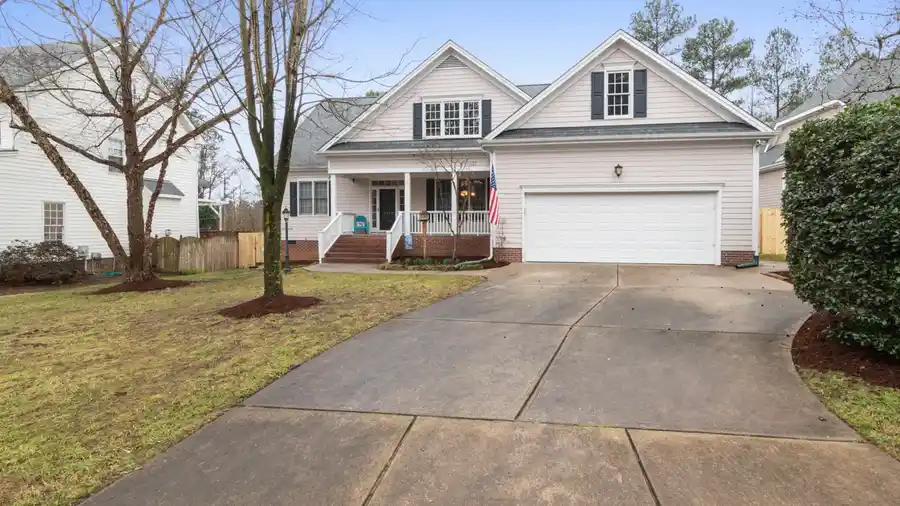
A rental listing should sort for fit before a person ever fills out the application form. For example, if you are writing an online listing for a unit with one parking space, a no-pets rule, and 850 square feet, the listing should prevent avoidable calls from people who missed the basics. The listing has to answer those questions fast.
The job is not to sell the place to everyone. It is to attract the people who already match the lease terms, the pet policy, and the move-in timeline. That means the listing copy, the rental photos, and the headline all need to pull in the same direction.
Use this filter:
- Say the property type and size up front: studio, 1-bed, 2-bed, or 3-bed.
- State the rent, deposit, and any flat fees in the same place.
- List the pet policy plainly, including whether pets are allowed, restricted, or not allowed.
- Name the square footage, parking, laundry, and any must-have amenity.
- Put the application link where a ready applicant can find it in one scroll.
A generic listing talks in vague praise. “Beautiful home” does not help anyone self-select. A good rental listing reads like a quick fit check, not a brochure. If the point is fewer weak leads, every missing detail costs time.
What should be included in a rental listing?
A rental listing should include the facts that decide fit: rent, deposits, lease length, square footage, pet policy, amenities, application form, and screening criteria. If someone can decide whether the unit works in one glance, the listing is doing its job.
A strong listing usually includes these parts:
- Headline: property type, bed/bath count, and one key feature.
- Summary: neighborhood, unit type, and who the place fits.
- Rental photos: bright, current images of the rooms that matter.
- Lease terms: start date, lease length, utilities, and occupancy limits.
- Application link: a clear path to apply without hunting.
- Screening criteria: the basic standards you use to review applicants.
- Pet policy: whether pets are allowed and any limits.
If the listing says “pets welcome” but the lease does not, you will get noise and resentment before move-in. If the listing says nothing about pets, you invite people who will be disappointed later. The same goes for parking, smoking, and laundry. Be plain.
One more thing: the listing should not promise what the property cannot deliver. If the unit has no dishwasher, do not imply a full kitchen package. If the living room is tight, do not write like it is oversized. The goal is not more clicks. The goal is more qualified applicants.
How do I write a rental listing description?
A rental listing description should read like a fast, factual fit check, not a sales pitch. When you have already gathered the basics, the description should help the right people picture themselves there while the wrong people move on. The description should do that in about 120 to 200 words, not in a paragraph of fluff.
Use this order:
- Start with the unit type and one hard fact: “2-bedroom, 1-bath apartment with 850 square feet.”
- Name the strongest fit signal: near transit, yard, in-unit laundry, or off-street parking.
- Add the lease terms that change who applies: 12-month lease, move-in date, utilities included, or occupancy limit.
- State the pet policy in one sentence.
- End with the application link and screening criteria so a prepared applicant knows what happens next.
Keep each sentence useful. “Newly renovated” is weak unless you name what changed. “Updated kitchen with quartz counters and stainless appliances” gives a real picture. “Spacious” is empty unless you can point to square footage, room count, or layout.
A clean description often sounds like this:
- “2-bedroom, 1-bath apartment with 850 square feet in a quiet 4-unit building.”
- “Includes one assigned parking space, on-site laundry, and water service.”
- “12-month lease, available May 1, no smoking, cats considered with approval.”
- “Apply through the online application form after reviewing the screening criteria.”
That kind of copy reduces wasted showings because people can self-screen. It also helps honest applicants feel confident that the listing is real. A person who sees the lease terms and the pet policy early is less likely to back out later. That saves time on both sides.
Which photos get qualified applicants to click?
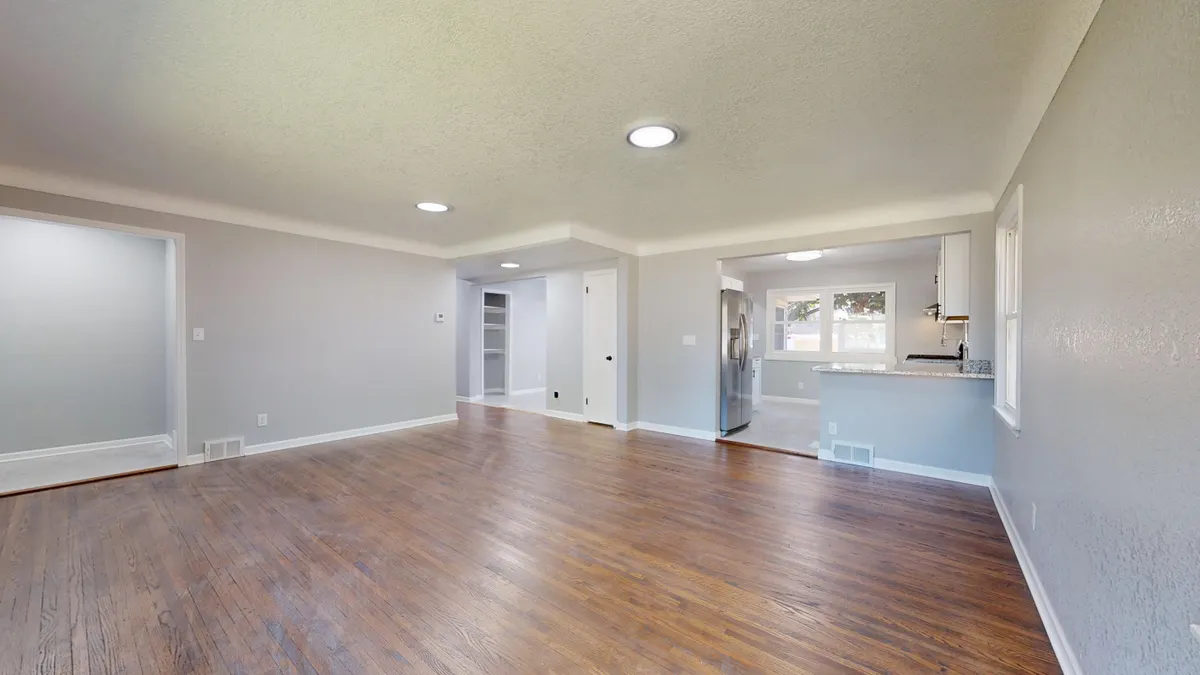
Photos get qualified applicants to keep reading when they show the actual unit, not just the nicest corner of it. When you scroll on a phone and the first three images tell you the place is bright, clean, and true to the listing, the standard is working.
Lead with the rooms that matter most to a mover:
- Exterior or entry
- Living room
- Kitchen
- Main bedroom
- Bathroom
- Laundry area
- Parking or storage, if those are selling points
Use natural light when possible. Straighten the frame. Show the full room, not a tight crop of one chair or sink. A dark hallway shot does not help anyone qualify themselves. A clear photo of the kitchen layout does. If the apartment has an awkward bedroom or small bath, show it honestly. That is better than a lead that overpromises and a tour that disappoints.
The truth is, photos do two jobs at once. They attract people who like the look of the place, and they warn off people who need more space than the unit has. That second job is the one generic listings miss. If the bedroom is compact, show it. If the windows face a noisy street, it is better to show the view honestly rather than hide it in the only two images.
A few simple rules help:
- Use current photos, not old ones from before a repair or paint job.
- Match the photo order to the way a person would walk through the home.
- Avoid filters that change wall color or make rooms look larger.
- If an amenity matters, show it in a photo and name it in the copy.
Bad photos create weak applications because they attract guesses. Good photos attract people who have already decided the unit fits their needs. That is the whole point. For more on presentation, see how to market a rental property and rental listing photography tips.
What screening criteria should appear before the application?
The screening criteria should appear in plain language before the application form so unqualified people do not waste time. When you are looking at a listing and trying to decide if you should apply at all, hidden standards create more bad applications and more frustration.
The listing should mention the basics you actually use to review applicants, such as:
- Income requirement or income-to-rent standard, if you use one
- Credit review, if it matters in your process
- Rental history
- Occupancy limits
- Smoking rule
- Pet policy
- Any documentation needed with the application
Do not turn the listing into a policy manual. You are not writing a lease. You are giving enough information for a person to self-check before they apply. That means short, direct language. “All applicants must meet posted screening criteria” works better than a wall of legalese. Then put the actual criteria where people can read them.
Here’s the catch: screening criteria in the listing do not replace consistent screening. They support it by cutting down on mismatched leads. If someone knows the income standard, the pet rule, and the move-in date up front, they can decide whether applying makes sense. That cuts wasted application fees and wasted back-and-forth. For a policy template, link to your tenant screening process.
Be careful with phrasing. If you mention one rule, be prepared to apply it the same way to all applicants. Fair, clear criteria help the listing do its job without causing confusion. That is a leasing tool, not a marketing trick.
How do lease terms and amenities change who applies?
Lease terms and amenities change who applies because they tell people whether the unit fits their life, not just their budget. When someone scans a listing, the move-in date, parking, laundry, and pet policy do more filtering than a pretty headline.
Start with the lease terms that matter most:
- Lease length: 6 months, 12 months, or month-to-month
- Move-in date: immediate, future, or flexible
- Utilities: included or paid by the tenant
- Parking: assigned, street, or none
- Smoking rule: allowed or not allowed
Then list the amenities that change the daily experience:
- In-unit laundry
- Dishwasher
- Air conditioning
- Balcony or yard
- Storage
- Elevator access
Not every amenity belongs in the headline. Put the strongest one there, then let the rest support the decision. A unit with in-unit laundry and one parking space can say so early. A place with only a microwave and a shared hallway closet should not pretend those are the story.
The honest answer is that clear amenity details reduce the wrong kind of attention. Someone who needs a garage will move on fast if the listing says “street parking only.” Someone who needs a 6-month lease will skip a 12-month unit without calling. That is exactly what a good rental listing should do.
One more trade-off: the more narrow the lease terms, the smaller the applicant pool. That is not always bad. A tighter pool of fit applicants beats a larger pool of people who cannot move forward. Choose the details that save time later. For more context, see month-to-month vs. fixed-term leases.
What mistakes make a rental listing attract the wrong people?
The wrong people apply when the listing hides the facts, exaggerates the space, or leaves the screening criteria out. You post the rental listing, and the first wave of messages is all questions you already answered nowhere. That is a listing problem, not an applicant problem.
The most common mistakes are easy to spot:
- Vague copy: “Must see” and “won’t last” do not tell anyone if they qualify.
- Missing pet policy: leads to avoidable calls from people with pets.
- No square footage: people guess wrong about room size.
- Old photos: the listing builds trust on a past version of the unit.
- Hidden lease terms: people apply before realizing the move-in date or lease length won’t work.
- No application link: the interested person drops off before the next step.
Each mistake costs something. Vague copy costs time. Old photos cost trust. Missing lease terms cost showings. Hidden screening criteria cost application review time. If you fix only one thing, fix the details that let a person self-screen.
A good rental listing does not need drama. It needs precision. State the facts, show the unit honestly, and make the next step obvious. That is how the listing attracts applicants who are already close to qualified. It also keeps your inbox from filling up with people who were never a fit.
For a broader view of leasing and operations, the hub on Rental Property Operations — The Complete Guide can sit above this page in the site structure. This article stays focused on the listing itself, because that is where the filter starts.
What should be included in a rental listing?
A rental listing should include the facts a renter needs to decide fit: rent, deposits, lease length, square footage, photos, pet policy, amenities, and the application link. It should also include screening criteria in plain language so applicants know whether they should apply. If a detail changes who qualifies, it belongs in the listing.
How do I write a rental listing description?
A rental listing description should start with the unit type, then give the facts that matter most: size, lease terms, amenities, and pet policy. Use short, direct sentences and avoid vague praise. The best descriptions help a renter decide quickly and still feel informed enough to move forward.
Should I mention screening criteria in the listing?
Yes, mention screening criteria if you want fewer weak applications and fewer wasted showings. Put the basic standards in plain language, then link to the full application form or criteria page if needed. That helps people decide early whether they fit the lease terms before they spend time applying.
Drafted with AI; not yet reviewed by a person.