Last updated: November 12, 2026
Quick answer: How to Handle Tenant Requests for Repairs works best when you log it the same day, reply within 1 business day for routine issues, and treat emergencies as same-day problems. A clear intake, written response, and tracked work order keep the process organized and easier to defend if questions come up later. The steps below explain what to do first, what to document, and when to call a professional for a safety issue.
Key Takeaways
- Log every tenant repair request the same day it comes in.
- Put the issue in writing, even if the first report came by phone.
- Sort emergencies from routine repairs before you promise a timeline.
- Use one work order number from start to finish.
- Save the email record, text message record, photos, and vendor notes.
- If access is needed, confirm the time window and keep the message trail.
- Close the loop with a final note after the fix, not just when the vendor leaves.
Start with the tenant repair request, not the vendor call
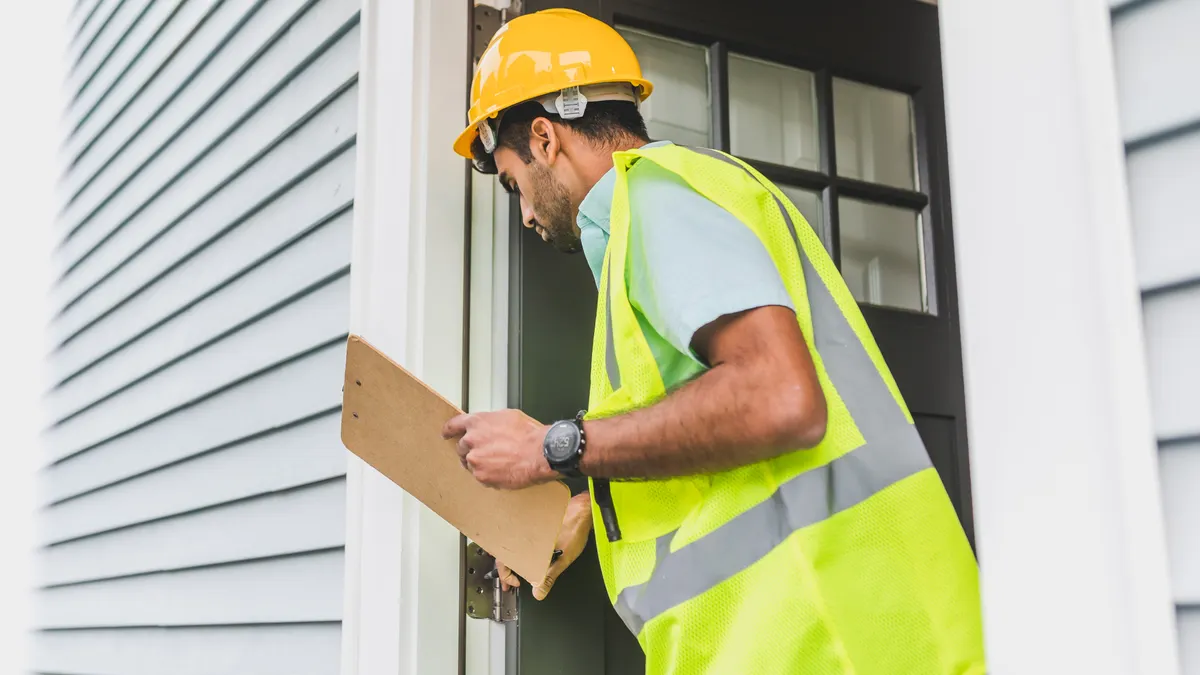
A tenant repair request should be logged, acknowledged, and classified before anyone is sent to the unit. That first pass stops duplicate messages, gives you a paper trail, and keeps a leaky pipe from becoming a record-keeping mess.
Picture this: you get a text at 7:15 p.m. about a dripping ceiling, and two hours later the tenant sends a photo plus a second text. You need one file, one work order, and one response that says what happens next. The first job is intake, not diagnosis.
Use a simple intake form or note with these fields:
- Tenant name and unit number
- Date and time received
- Method: email, text message record, portal, or phone note
- Exact problem in the tenant’s words
- Photos or video, if provided
- Whether the tenant says it is an emergency repair
- Best callback number
- Access notes, if any
Then assign a work order number. That number should appear in every follow-up message, vendor note, and repair invoice. If the same issue comes back in 3 days, you’ll know it is a repeat, not a new complaint.
Here’s the catch: a phone call alone is weak evidence. A quick follow-up email that repeats the issue and the date protects both sides. If the tenant called instead of writing, send a short email within the same day and ask them to confirm the details.
How quickly should a landlord respond to repair requests?
A landlord should respond the same day for emergencies and within 1 business day for routine repair requests. That response does not have to include the fix; it needs to confirm receipt, say the next step, and give a realistic window.
For example, a tenant reports a broken lock on a Tuesday morning, and you wait until Friday to answer. Even if the repair is simple, the delay makes the situation look ignored. Speed in the reply matters as much as speed in the repair.
Use a response pattern like this:
- Acknowledge receipt within hours, not days.
- Say whether the issue appears urgent or routine.
- Give the next step: vendor visit, inspection, or a request for more photos.
- State the expected window for action.
- Save the reply in the email record or text message record.
A 2-line message is enough: “Got your request for the bathroom leak. I’m logging it as work order #214 and will send a maintenance vendor today.” A short reply works; a vague one does not.
If the tenant says the heat is out, there is active flooding, or there is exposed wiring, do not wait for a long back-and-forth. Treat it as an emergency repair until a qualified professional can assess the facts. If you are unsure, err on the side of safety and send someone to look. The EPA’s mold guidance and OSHA’s electrical safety guidance both support treating possible safety hazards promptly, and local rules may set stricter timelines.
The truth is, some delays come from the landlord side, not the repair side. No vendor call, no documented response, and no follow-up message create the kind of gap that breeds disputes. Keep the reply short, specific, and time-stamped.
What counts as an emergency repair?

An emergency repair is a problem that threatens safety, causes active damage, or makes the unit hard to live in right now. That usually includes major water leaks, no heat in cold weather, loss of power to part of the unit, gas smell, or broken entry points.
For instance, the tenant says the ceiling is wet, the floor is buckling, and water is still coming through. That is not the time to wait for a Tuesday vendor slot. An emergency repair needs action the same day.
Use this filter:
- Safety risk: exposed wiring, gas odor, broken locks, smoke or carbon monoxide issues
- Active damage: running water, overflow, sewage backup, roof leak
- Habitable loss: no heat, no water, no toilet, no electricity to essential parts of the unit
- Access failure: a door, lock, or window issue that leaves the unit unsecured
Once the issue is classified, tell the tenant what you are doing next and when. If a maintenance vendor is going onsite, say so. If you need to dispatch a plumber after hours, say that too. The message should match the problem, not hide behind a generic “we’ll look into it.”
On the other hand, a sticky cabinet door, a loose towel bar, or a chipped tile is usually not an emergency. Those still deserve attention, but they belong in routine maintenance. Mixing the two creates bad priorities and bad tenant expectations.
If a problem might affect health or safety, treat the classification as urgent until a professional or qualified vendor confirms otherwise. A quick site check can save a lot of damage. The CDC, OSHA, and local housing codes may help guide the decision, but they do not replace site-specific judgment.
Build the repair workflow around one work order
A repair workflow runs best when one work order follows the issue from intake to closeout. That file should hold the request, the vendor assignment, the access note, the invoice, and the completion record.
For example, you have three texts, one voicemail, and an invoice from a maintenance vendor, but no clear thread tying them together. Now you are guessing. One work order prevents that guesswork when the record is kept consistently.
Use this sequence:
- Create the work order the moment the request is logged.
- Attach the tenant’s photos, texts, or emails.
- Decide whether you need an inspection, a bid, or direct repair.
- Assign the vendor and note the date and time.
- Confirm access with the tenant in writing.
- Record the result, parts used, and any follow-up needed.
- Close the order only after the repair is finished and documented.
This is where a lease clause can matter. Many leases spell out notice, entry rights, and repair reporting rules. If your lease says tenants must submit maintenance issues in writing, follow that rule consistently. If the lease says you may enter after reasonable notice, use that clause when scheduling access.
Keep the work order notes plain. “Faucet leak in kitchen, vendor scheduled for Thursday 10 a.m., tenant confirmed access” tells the story without drama. Avoid broad notes like “checked issue” or “handled.” Those phrases do not show what was actually done.
A repair file should also show what happened after the fix. If the vendor says a part needs ordering or the problem may recur, record that. A one-line closeout note with no follow-up plan is where repeat problems start to multiply.
How should access and vendor visits be coordinated?
Access and vendor visits should be scheduled in writing, with a clear date, time window, and contact person. If the tenant is home, let them know whether the maintenance vendor needs entry, whether the vendor will knock first, and whether someone must be present.
For example, you book a plumber for 9 a.m., but the tenant thought the visit was “sometime in the morning” and left for work. The result is a missed visit, a second trip fee, and a frustrated tenant. Access planning saves time and money.
Use a message that includes:
- Appointment date
- Time window, such as 8–10 a.m.
- Vendor name or company, if you share it
- Whether the tenant needs to be present
- Whether the vendor can use a lockbox or master key
- Who to contact if the time changes
If the tenant cannot provide access, offer the next available window right away. Don’t let the request sit unanswered because the timing was inconvenient. If entry is required under the lease clause, document the notice you gave and the response you received.
A clean access message reduces back-and-forth later. A text message record that says “Vendor will arrive Thursday between 1 and 3 p.m. for work order #214” is more useful than a vague promise to “stop by soon.”
If you use more than one vendor, keep the scheduling details separate. Plumber, electrician, and general maintenance should each have their own note, their own visit time, and their own result. One blurred record turns into a billing dispute fast.
What to send after the repair is done
You should send a closeout message after the repair is done so the tenant knows the issue was actually completed, not just visited. That message should confirm the work, mention any next step, and invite the tenant to reply if the problem returns.
For example, the vendor fixed the leak, but the tenant never hears back. A week later, they wonder if the repair was marked complete or forgotten. Close the loop in writing.
A good closeout note includes:
- Work order number
- What was repaired
- Date completed
- Any access issue or delay
- Whether a follow-up visit is pending
- A request for prompt notice if symptoms return
Keep the tone matter-of-fact. “Work order #214 is complete. The kitchen faucet cartridge was replaced on Friday, and the leak stopped during the visit” gives a clear record. If the vendor found a larger issue, say so. If the repair is temporary, say that too.
Save the closeout note with the invoice, photos, and vendor report. That bundle is what you’ll need if the tenant later says the issue was never handled. A repair that exists only in memory is easy to argue about and hard to prove.
Common mistakes cost more than they look:
- No written response: makes the landlord look unresponsive
- No work order: creates confusion when the issue comes back
- No access note: leads to missed appointments
- No closeout message: leaves the tenant unsure whether the job is finished
A simple file beats a perfect memory every time.
The repair record that prevents disputes
A repair record prevents disputes when it shows the request, the response, the action taken, and the final result. That means you should keep the email record, text message record, work order, invoice, and any vendor photos in one place.
For example, months later, a tenant says you ignored a broken heater, and you need to show exactly what happened on each date. If your notes are scattered across a phone, a notebook, and an inbox, you lose time before you even start. Documentation is the shield.
Use a 4-part record for every repair:
- Request received
- Response sent
- Vendor or staff action
- Completion confirmed
If possible, keep the same format for every unit. Consistency helps when you review repeated issues, compare vendor quality, or answer a tenant complaint. A standard process also makes it easier to hand off the job if someone else manages the property later.
This is also where you protect yourself from a common mistake: replying in a text thread but failing to save it. A message that disappears from the phone is not the same as a stored record. Screenshot it, export it, or copy it into the work order file.
If a repair takes more than one visit, add each visit to the same file. A plumber who comes Tuesday and returns Friday should not create two disconnected stories. The tenant repair request is one issue, even if the repair takes 2 or 3 steps to finish.
For a broader view of property systems, the hub on [Rental Property Operations — The Complete Guide] can sit above this process without repeating the steps here. This page does the repair workflow; the hub can connect it to the rest of the operation.
How quickly should a landlord respond to repair requests?
A landlord should respond the same day for emergencies and within 1 business day for routine repair requests. The first reply should confirm receipt, name the next step, and give a realistic timeframe. Silence creates avoidable conflict, even when the repair itself is simple.
What counts as an emergency repair?
An emergency repair is a condition that threatens safety, causes active damage, or makes the unit hard to live in right away. Major leaks, gas odor, exposed wiring, broken locks, and loss of heat, water, or power are common examples. If you are unsure, treat it as urgent until a qualified professional checks it.
Should repair requests be put in writing?
Yes, repair requests should be put in writing even if they start by phone or text. Writing creates a clear record of the problem, the date, and the response. If the tenant calls first, follow up with an email or text that repeats the issue and asks them to confirm the details.
Drafted with AI; not yet reviewed by a person.