Last updated: November 12, 2026
Key Takeaways
- Use a policy that protects the unit, stays simple to administer, and allows legal exceptions.
- Check the right factors in the right order before you decide.
- The right answer is usually a mix of pet rent, a pet deposit, and clear repair expectations.
- One unit has hardwood floors and a fenced patio.
The pet policy you choose for How to Decide Whether to Allow Pets in a Rental Property will shape damage risk, tenant demand, and how hard your lease is to enforce.
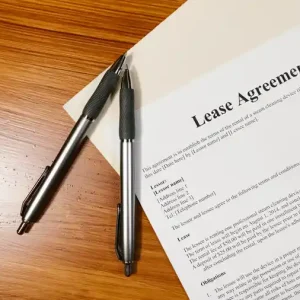
Allow pets only if the rules, fees, and exceptions are written into the lease agreement and pet addendum.
The sections below help you decide what belongs in the policy, what does not, and where service animals and emotional support animals fit.
What the pet policy has to solve

Picture this: you’re about to list a unit, and half the applicants ask about cats, dogs, or both. You need a rule that protects the property, keeps the leasing process simple, and still leaves room for legal exceptions. That’s the real job of a pet policy.
A good policy answers four questions before the first showing: which animals are allowed, what costs attach to them, what parts of the property are off-limits, and what paperwork sits in the pet addendum. If the answer is fuzzy, the unit becomes harder to manage. A vague “pets considered” line often creates more phone calls than it saves.
Pet policy, lease agreement, pet addendum. Those three pieces need to match.
- The lease agreement should say whether pets are allowed at all.
- The pet addendum should list the animal, the fees, and the house rules.
- The policy should also name exceptions for a service animal and an emotional support animal.
This is not a gut-feel choice. It is a property-risk choice. A ground-floor apartment with new carpet and thin trim has a different risk profile than a concrete-floor duplex with a fenced yard. A no-pet rule can make sense in one building and be a bad fit in another.
Here are the core factors to weigh:
- Floor type: carpet, laminate, or tile.
- Shared spaces: hallways, stairs, lobbies, and common yards.
- Build-out: loose trim, soft doors, weak screens, and low thresholds.
- Vacancy pressure: how long a unit usually sits empty.
- Tenant pool: whether your market has many pet owners looking nearby.
- House rules: barking, waste cleanup, leash use, and size limits.
If the property is easy to damage and hard to clean, a tighter policy is usually the safer choice. If vacancy is your bigger problem, a controlled pet policy may widen the pool without turning the unit into a free-for-all.
How do I decide if pets fit this property?
Picture this: you’re standing in an empty unit and looking at the surfaces that take the most abuse. You can see the answer before a tenant ever applies if you check the right things in the right order. Start with the unit, then the building, then the local rental market.
Use this decision process:
- Walk the property with a damage lens. Look at doors, baseboards, screens, flooring, and low windows. Soft materials and thin finishes raise repair risk, especially with larger dogs.
- Check the cleaning burden. Carpet, grout, and fabric finishes usually take more time to reset between tenants than hard surfaces. A unit that needs 2 extra days of cleaning after move-out is a different business case than one that turns over in 1 day.
- Review shared-space exposure. If tenants pass through narrow halls, shared stairs, or a common yard, noise and waste complaints tend to spread faster.
- Compare demand against restrictions. If nearby listings allow pets and yours does not, you may narrow your applicant pool more than you need to.
- Decide what you can actually enforce. A rule about no barking after 10 p.m. is easier to write than to monitor. If a rule cannot be checked, it should not carry the whole policy.
- Set your exception process. Service animals and some support-animal requests need a separate path from ordinary pets.
The verdict is simple: if the property is easy to damage and hard to supervise, a no-pet policy can be the right call. If the unit has durable surfaces, clear house rules, and a market that expects pet-friendly rentals, a controlled pet policy is often the better fit.
You do not need to allow every animal to allow some animals. That mistake turns a policy into a loophole.
What costs should the pet policy cover?

Picture this: you’re trying to protect the unit from avoidable damage without scaring off a good renter with a messy fee sheet. The right answer is usually a mix of pet rent, a pet deposit, and clear repair expectations, not a random stack of charges.
The first cost question is whether you want a recurring monthly charge or a one-time deposit. Pet rent is ongoing and helps cover the added wear that comes with living with animals. A pet deposit is tied to possible damage and should be spelled out so the tenant knows what it can and cannot cover. The two are not the same, and confusing them creates disputes fast.
A useful policy separates these items:
- Pet rent: a monthly charge tied to the animal’s presence.
- Pet deposit: money held to cover pet-related damage beyond ordinary wear.
- Cleaning charge language: only if your local rules allow it and the lease explains it clearly.
- Replacement cost language: useful for damaged screens, doors, or flooring sections.
The catch is that the money should match the risk. A small cat in a hard-surface studio is not the same risk as two large dogs in a carpeted townhouse. A one-size-fits-all charge often becomes either too soft to matter or too high to attract applicants.
Here are the choices that usually work best:
- Low-risk property: allow one pet type, use a modest monthly pet rent, and keep the addendum tight.
- Mid-risk property: use pet rent plus a pet deposit, with a cap on number and size.
- High-risk property: allow only with strict breed, size, or unit-type limits, or do not allow pets at all.
Avoid charging for the same damage twice. If the deposit is meant for actual damage, the lease should not also imply that every stain triggers a separate fixed fee unless that structure is clearly allowed where the property sits. A local housing attorney or property manager can sanity-check the wording before it goes live.
Which pet rules should go in writing?
Picture this: you’re drafting the lease and trying to keep the policy short enough to read but specific enough to hold up during a dispute. This is where most landlords go too broad and then regret it later. The safest route is to list the animal limits in the lease agreement and restate them in the pet addendum.
Write down the rules that affect daily use:
- Species allowed: dogs, cats, or another specific type.
- Number of animals: one, two, or another fixed limit.
- Size or weight cap: if you use one, make it measurable.
- Breed restrictions: if your local rules and insurance permit them.
- Area limits: where the animal can and cannot go.
- Noise rules: barking, howling, and nuisance conduct.
- Waste cleanup: where waste goes and how fast it must be removed.
- Damage duty: who pays for scratched doors, chewed trim, or torn screens.
A written rule about animal restrictions only helps if it is plain. “No aggressive animals” sounds neat and invites arguments. “No animal with a history of biting or attacking people or animals on the premises” is clearer. “Pet must be under control” is weak; “pet must be leashed in shared outdoor areas” is stronger.
Use the addendum for the details that change from tenant to tenant:
- Pet’s name, type, and description.
- Any license or vaccination record you require.
- The pet rent amount.
- The pet deposit amount.
- The date the animal is approved.
The policy is not the longest one. It is the one that a tenant can follow without guessing. If a renter has to call you to ask whether a crate is allowed in a bedroom, the policy is too thin.
What about service animals and emotional support animals?
Picture this: you’re ready to reject all animals, then an applicant says the animal is not a pet at all. That is where the policy has to stop talking like a pet rule and start talking like an exception rule. Service animals and emotional support animals are handled differently from ordinary pets.
A service animal performs work or tasks tied to a disability. An emotional support animal may provide support but does not perform trained tasks in the same way. Those two categories are not the same, and your pet policy should not treat them as if they are; consult legal guidance or a housing professional before you apply pet rules here. A general no-pet rule can still need exceptions for them. For current guidance, see the U.S. Department of Housing and Urban Development and Fair Housing Act materials.
Do not make the mistake of folding these animals into pet rent, pet deposits, or breed rules without checking the proper legal framework for your location and property type. That can create fair-housing trouble fast. If the request is about a service animal or support animal, the question is not “Do I like pets?” The question is “What does the law require here?”
A clean policy usually does this:
- Says pets may be restricted or refused.
- Separately states that assistance animals are handled through a different process.
- Avoids pet fees for animals that are not pets under the applicable rules.
- Asks only for the documentation your local law allows.
If this part of the policy is missing, the rest of the lease can be perfect and still fail. A landlord guide should treat this as a separate lane, not a footnote.
For current guidance, the U.S. Department of Housing and Urban Development and the Fair Housing Act materials are worth checking before you publish your rules. The Humane Society of the United States also explains the common difference between pets and assistance animals in plain language.
How do property damage risk and tenant demand change the answer?
Picture this: you’re comparing two units on the same street. One has hardwood floors and a fenced patio. The other has wall-to-wall carpet, older doors, and a shared stairwell. The pet policy should not be identical in both places.
Property damage risk goes up when the unit has soft finishes, weak screens, tight common spaces, and a long list of parts that are expensive to repair. Tenant demand goes up when the market has many renters with animals and few pet-friendly listings. The decision lives in the gap between those two forces.
A simple way to think about it:
- High damage risk, low demand: no-pet or very limited pet policy.
- High damage risk, high demand: limited pets with stricter fees and written controls.
- Low damage risk, high demand: pet-friendly policy with clear addendum terms.
- Low damage risk, low demand: either choice can work; vacancy may decide it.
If you need a practical filter, ask three questions:
- Would one animal make turn-over materially harder?
- Would the unit still lease quickly without pets?
- Can the building handle noise, odor, and waste complaints for 12 months?
If the answer to all three is yes, a tighter policy is usually justified. If the answer to all three is no, a pet-friendly policy can be the better business move.
What belongs in the lease agreement and pet addendum?
Picture this: you’re finalizing paperwork and want one place to find the rules when a question comes up six months later. The answer is to put the general rule in the lease agreement and the specifics in the pet addendum, then keep both documents aligned.
The lease agreement should say whether pets are allowed and reserve the right to enforce the policy. The pet addendum should carry the details:
- Animal name, type, and count.
- Approved unit or unit type.
- Pet rent and pet deposit terms.
- Waste and leash rules.
- Damage responsibility.
- Permission to remove the animal after repeated violations, if the law and lease allow it.
This is also the place to keep the wording consistent. If the lease says “cats allowed” and the addendum says “no pets unless approved,” you have built your own dispute. One document should not cancel the other.
A good addendum does not try to solve every future problem. It solves the predictable ones. Tenants understand “clean up waste within 24 hours” better than “maintain a sanitary environment.” A rule with a clear clock is easier to follow and easier to enforce.
For the larger operations side of the business, this policy should sit inside your wider rental-property system, not float alone. That is where the full guide to Rental Property Operations — The Complete Guide fits in; it gives the broader context around leasing, turnover, and day-to-day management.
Common mistakes that make a pet policy backfire
Picture this: you’re sure the policy is fine, then the first complaint arrives and every sentence turns into an argument. Most bad pet policies fail for the same few reasons, and they are easy to spot before the listing goes live.
The biggest mistakes are:
- Banning pets in the listing but allowing them in practice. That creates confusion and weakens enforcement.
- Charging without explaining why. Tenants see hidden fees, not a risk plan.
- Mixing pets with assistance animals. That can trigger legal problems.
- Using vague rules. “No disturbances” sounds nice and means little.
- Leaving out the addendum. If the terms are not attached, they are easier to dispute.
The cost of a weak policy is not just damage. It is time, conflict, and inconsistent enforcement. A tenant who thinks rules are negotiable will push every edge of the lease. A tenant who sees clear, written limits is more likely to follow them.
If the policy feels hard to explain in one minute, simplify it. A policy that only a lawyer can read is not a landlord tool. It is a future headache.
Should landlords allow pets?
Landlords should allow pets only when the property, the market, and the lease terms can support the risk. A hard no can make sense for high-risk units with carpet, shared halls, or costly finishes. A controlled yes can make sense when demand is strong and the rules are clear. The right answer is property-specific, not universal.
Drafted with AI; not yet reviewed by a person.