Last updated: November 12, 2026
Quick Answer: Build a preventive maintenance schedule for a rental property with 3 layers — monthly, seasonal, and annual tasks — and use one calendar to track every due date. A rental property preventive maintenance schedule keeps the hvac system, water heater, roof, gutters, smoke alarms, and appliances on a repeatable calendar instead of a panic list.
How to Build a Preventive Maintenance Schedule for a Rental Property starts with a season-based schedule with monthly, quarterly, and annual tasks tied to each system.
The steps below show how to build one that fits a single unit or a 20-door portfolio without guessing.
What a preventive maintenance schedule should do
A preventive maintenance schedule should turn recurring work into dated jobs, not memory. Picture this: you own a unit with one furnace, one water heater, a roof you never see from the street, and tenants who only call when something fails. A 12-month calendar changes that.
The schedule’s job is simple: catch small wear before it becomes a leak, outage, or replacement. It also gives you a clean handoff to vendors because the work is already named, timed, and tied to a system. That matters most for items with shorter service lives, like filters, batteries, and water heater flushes.
A good preventive maintenance schedule for a rental property usually covers:
- Monthly checks for tenant-facing basics
- Seasonal work tied to weather
- Annual inspections for equipment and safety devices
- Replacement timing based on expected lifespan, not surprise failure
The best starting point is not fancy software. A spreadsheet, shared calendar, or property manager’s work order system is enough if it holds dates, tasks, and vendor names. The trap is building a perfect template and never using it.
How do I build a preventive maintenance schedule for a rental property?

You build it by listing every major system, assigning a task frequency to each one, then placing those tasks on a calendar you can actually use. Start with the hvac system, water heater, roof, gutters, smoke alarms, and appliances, because those are the items that create the most expensive surprises when ignored.
Here’s the catch: a useful schedule is not a generic checklist. A furnace filter changed every 30 to 90 days is not the same as a roof inspection after a storm, and a smoke alarm battery check is not the same as a water heater flush. Each task needs its own rhythm.
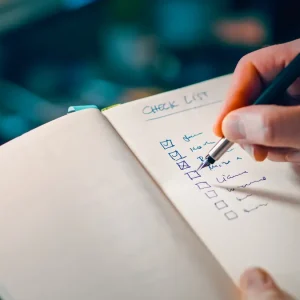
- List every system in the unit and common areas. Include heating and cooling, plumbing, roof, gutters, appliances, smoke alarms, and exterior drainage. The result is a full asset list you can maintain.
- Attach a service interval to each item. Use monthly, quarterly, seasonal, or annual timing. Filters might be monthly or quarterly; smoke alarms need regular testing; roofs and gutters need seasonal attention.
- Add the task to a real calendar. Put jobs on the first workable week of the month or at the start of each season. A date on paper is easier to miss than a date on a calendar alert.
- Assign the task to a person. You, a superintendent, or a vendor should own each line item. If nobody owns it, nobody does it.
- Write the trigger and the finish line. Example: “Replace HVAC filter with correct size; confirm airflow is clear.” That tells the doer what success looks like.
- Track completion and next due date. A simple log with date, task, vendor, and notes keeps the cycle alive.
A blank schedule becomes useful the day each task has a due date and a name next to it.
What should go on a rental maintenance schedule?
A rental maintenance schedule should include the tasks that fail often enough, or cost enough, to justify a planned visit. Picture a year in a small house rental: the furnace runs through winter, the gutters fill in fall, and the water heater keeps aging in the basement. That is the list you build around.
The schedule needs more than “fix stuff when broken.” It should break work into four buckets:
- Safety devices: smoke alarms, carbon monoxide alarms if installed, any required test date
- Mechanical systems: HVAC filters, thermostat checks, condensate lines, blower and burner inspections
- Water systems: water heater flushing, leak checks under sinks, supply line inspection
- Weather exposure: roof flashings, gutters, downspouts, exterior caulking, grading near the foundation
A common mistake is to treat appliances as one line item. A refrigerator, dishwasher, range, washer, and dryer each age differently. A dryer needs lint-duct attention; a refrigerator needs condenser coil cleaning; a dishwasher needs leak checks and door seal inspection. One line in the calendar for “appliances” is too vague to help.
The schedule should also note lifespan bands. A water heater may last well beyond a few years in good shape, but the point of preventive work is to keep an eye on age and condition before replacement becomes urgent. Same for HVAC equipment, where missed filter changes and dirty coils shorten useful life.
Use these schedule fields for every item:
- Task name
- System
- Frequency
- Season
- Vendor or owner
- Last completed date
- Next due date
- Notes on wear, noise, leaks, or access problems
If a task cannot be described in one clear sentence, it is not ready for the schedule yet.
Which tasks belong in each season?
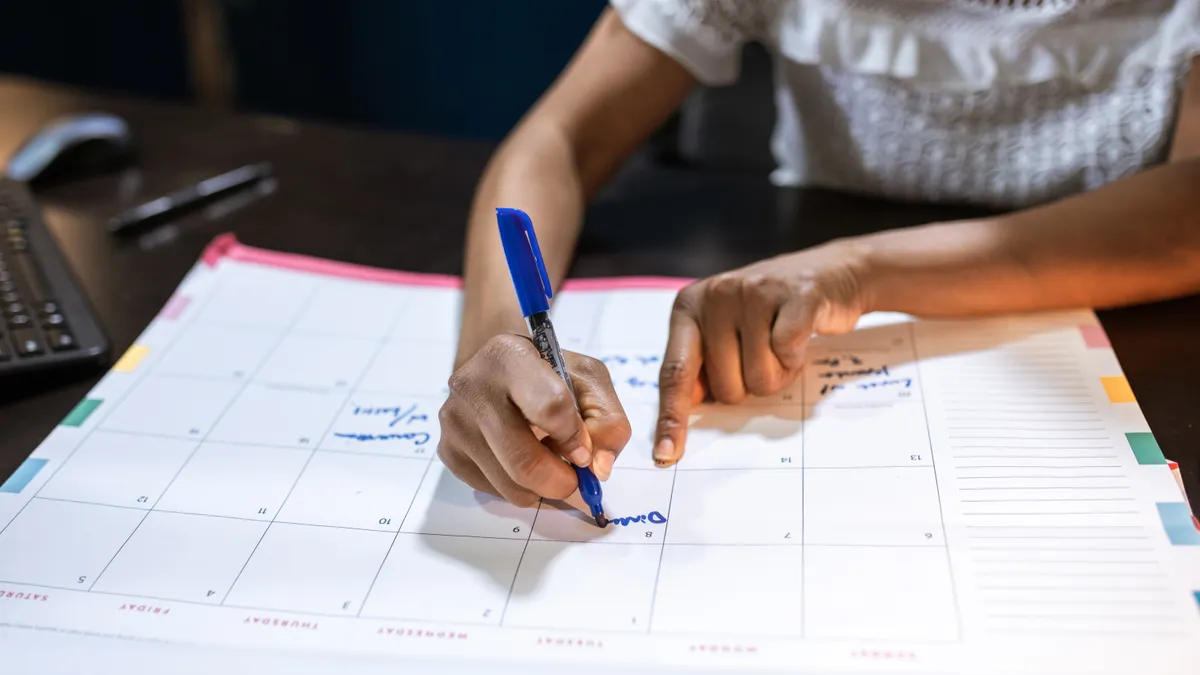
Seasonal tasks belong on a schedule because weather changes what breaks first. Picture a tenant heating a unit in January, then opening windows in April, then running AC through July. That cycle creates different stress on the same property. A four-season plan keeps those stress points from piling up.
Use this pattern as a working base:
- Spring: inspect roof damage, clean gutters, check exterior grading, test sump pumps if present, service cooling equipment before hot weather
- Summer: confirm AC performance, clean condensate drains, inspect caulking and weather seals, check outdoor hose bibs and irrigation if any
- Fall: replace HVAC filters, clean gutters again, check heating system before the first cold snap, test smoke alarms
- Winter: watch for ice dams, frozen lines, furnace issues, and roof loading after heavy snow if your area gets it
The truth is, some items belong on more than one season. Gutters often need attention in both spring and fall. Filters often need changing several times a year. Smoke alarms should be tested on a regular schedule, not only when the season changes.
A seasonal calendar can also prevent stacking too much work in one month, but the exact spacing should match the property and vendor availability. If you place roof inspection, furnace service, gutter cleaning, and smoke alarm checks all in October, you create a bottleneck. Spread them out: early fall for the furnace, mid-fall for gutters, late fall for alarms, weather permitting.
Keep the schedule tied to local conditions. A property in heavy tree cover will need gutter checks more often than a bare-lot duplex. A coastal property may need faster corrosion checks. The season is the baseline; the site decides the frequency.
How often should each system be checked?
Each system should be checked often enough to catch wear before failure, but not so often that the schedule turns into busywork. Picture a calendar with twenty tasks and half of them meaningless. That kind of schedule gets ignored by month three. A practical cadence is the sweet spot.
Use these timing rules:
- Monthly: tenant-facing visual checks, smoke alarm reminders if your process calls for them, obvious leak scans, filter status
- Quarterly: HVAC filter replacement in many units, appliance checks, exterior walkarounds, drain and vent observations
- Seasonally: roof, gutters, HVAC changeover, weather seals, grading, attic or crawlspace look
- Annually: professional furnace or AC service, water heater inspection and flush as appropriate, smoke alarm battery plan, full property walk
A vendor reminder works best when tied to the actual service window, not a vague month. If your HVAC contractor books out in September, the reminder should go out in August. Same for roof work in storm season. The schedule is not just a checklist; it is a lead time tool.
For long-life equipment, add an age note. A water heater that is approaching the end of its useful life deserves closer watching than a newer unit. The same goes for older appliances with repeated service calls. Age does not force replacement on a fixed date, but it changes how hard you look.
Do not let inspection frequency become a substitute for documentation. A checked box without notes tells you nothing next year. A line that says “rear gutter clogged with maple leaves, cleaned same day” helps you spot a pattern and plan better.
What common mistakes wreck a maintenance schedule?
A maintenance schedule fails when it is built like a scrapbook instead of a system. Picture a landlord with a long list, no dates, no owner, and no follow-up. That schedule looks organized for one week and useless after that.
The most common errors are:
- Too much detail on one page. If every screw and hinge gets its own line, nobody uses the sheet.
- No service owner. A task without a name attached becomes invisible.
- One annual date for everything. That creates a pileup and rushed work.
- No vendor lead time. Roofers, HVAC techs, and plumbers may not have next-day openings.
- No equipment age notes. A 3-year-old furnace and a 15-year-old furnace should not get the same level of attention.
A second mistake is treating emergency repairs as preventive maintenance, but the line between them should be checked against local practice and, when needed, a qualified professional. A burst pipe is a response item. A loose supply line checked during a quarterly walk is preventive. If you mix the two, your schedule stops teaching you anything.
The fix is blunt: simplify the list, assign ownership, and build reminders around real service windows. If a task has not been done for 6 to 12 months, ask why it is still on the calendar. It may be the wrong task, the wrong frequency, or the wrong person.
The most workable schedule is the one a busy owner can keep up with, because an unmaintained plan is just paperwork. Fancy dashboards do not help if the water heater still gets ignored.
How do I keep the schedule useful after the first year?
You keep it useful by reviewing it against the property’s actual problems once a year and adjusting the cadence, not just reprinting the same sheet. Picture the end of the year: three HVAC calls, one roof leak, and a sticky bathroom fan nobody wrote down. That history should change next year’s schedule.
Use an annual review to answer four questions:
- Which tasks prevented problems?
- Which tasks were skipped because the timing was bad?
- Which systems needed more frequent checks?
- Which vendor reminders were too late?
If a property has recurring gutter clogs every fall, that task may need to move from annual to seasonal or even twice per season. If a furnace filter was clean every time you checked it, you may be able to keep the same cadence or change the filter type. The point is to use evidence from your own building, not a template from someone else’s.
This is also where equipment lifespan belongs on the page. A schedule that tracks age can help you spot when the water heater, HVAC unit, or appliance is getting old enough to justify replacement planning. That is not a budgeting exercise here; it is a maintenance signal. A system that fails repeatedly is telling you something.
For a broader system around operations, the guide to the site’s hub on Rental Property Maintenance and Operations — The Complete Guide can sit above this schedule and connect it to turnover, repairs, and records. This page stays focused on the recurring calendar.
At the end of the year, keep what worked, cut what didn’t, and move the next due dates forward. That is how a one-time checklist becomes a real operating system.
Key Takeaways
- A rental preventive maintenance schedule works best when it is tied to systems, seasons, and dates.
- Put the hvac system, water heater, roof, gutters, smoke alarms, and appliances on the same calendar so nothing gets lost.
- Use monthly, seasonal, and annual tasks instead of one giant annual list.
- Assign each task to a person and record the next due date every time.
- Review the schedule once a year and change the timing when a building keeps showing the same problem.
What should be on a rental maintenance schedule?
A rental maintenance schedule should cover the systems that wear out, leak, clog, or fail on a cycle. That usually means HVAC filters and service, water heater checks, roof and gutter work, smoke alarm testing, and appliance inspection. It should also show who owns each task and when it is due next.
How often should landlords inspect systems?
Landlords should inspect systems on a mix of monthly, seasonal, and annual cadences. Monthly or quarterly checks work for filters, leaks, and visible wear, while roof, HVAC, and water heater work often fits seasonal or annual timing. The right interval depends on the equipment, weather, and how hard the property is used.
What maintenance should happen seasonally?
Seasonal maintenance should match the weather and the strain it puts on the property. Spring and fall are good times for roof, gutter, and HVAC checks, while summer and winter often call for cooling, heating, and moisture control. The season is the trigger; the property decides the exact task list.
Drafted with AI; not yet reviewed by a person.