Last updated: September 10, 2026
Key Takeaways
- Put about one-third of countertop items, shelf decor, and open-storage contents into bins or closets.
- The better alternative is clean air, open windows for 20 to 30 minutes, and fully removed odor sources.
- Hide shoes, backpacks, cords, and pet items from the first 3 feet inside the door.
- In a 500- to 800-square-foot space, a single extra chair can distort the room.
An open house is not about making your home look “pretty”; it is about stripping away distractions so buyers can imagine living there and move through it without friction. If you are selling a house and hosting the open house yourself or with your agent, this open house checklist for sellers: what do before buyers arrive lays out what to handle in the 24 to 48 hours before people show up, what to tackle first, and what to leave alone.
Who this open house checklist for sellers is for — and who should do something else
This open house checklist for sellers is for homeowners who already have the basics in place: the home is listed, the open house date is set, and you can spend 2 to 4 hours on prep the day before or morning of the event. It assumes you can handle normal cleanup, basic staging, and simple safety checks like replacing lightbulbs or locking away valuables.
Not every seller fits that mold. A house with active mold, a broken furnace in winter, exposed wiring, a gas smell, or a structural problem like a sagging floor needs a different first move. Don’t try to stage around that. Those issues can scare off buyers and create safety problems, so deal with the condition problem before you invite strangers through the door. The same goes for major odors from pets, smoke, or water damage that you cannot remove in a few hours; a quick surface cleanup will not fool anyone for long.
Because the open house checklist for sellers is really about buyer perception and safety, I would not treat this as a one-person sprint if the home is large, occupied, or heavily cluttered. A typical 3-bedroom house may be manageable for one careful person, but a 4,000-square-foot home, a basement full of storage, or a property with kids and pets often needs help with cleaning, moving boxes, and managing people during the showing. Honestly, that extra pair of hands can save the day. If the job feels bigger than a basic prep day, consider hiring a cleaning service, staging help, or another adult to assist.
What should a seller do before an open house?
Make the place bright, neutral, clean, safe, and easy to move through. Simple enough, right? But the order matters: clear space first, clean second, then fix the details buyers will see and smell. For a pre-open-house timeline, the National Association of Realtors and other real estate guidance consistently emphasize decluttering, cleaning, and curb appeal as core preparation steps.
Before you start, gather a few basics: trash bags, microfiber cloths, glass cleaner, paper towels, a vacuum with attachments, a mop, fresh lightbulbs, painter’s tape for a few temporary fixes, and a laundry basket or bin for fast “hide it now” sorting. Do only one thing? Clear horizontal surfaces. Kitchen counters, bathroom counters, nightstands, and the tops of dressers should look intentionally sparse, not lived-in.
Here is the sequence I would use:
- Remove personal and distracting items from every room. Take down family photos, medication bottles, mail, tax papers, school schedules, religious items, and anything with a name, address, or account number. Verify that buyers can walk through without seeing your private life on display. If a room still reads as “your house,” the problem is not decoration — it is that the room is too personal.
- Declutter by at least one-third in visible areas. Put about one-third of countertop items, shelf decor, and open-storage contents into bins or closets. Verify that surfaces look intentional and have negative space. If you cannot place a coffee mug or soap dispenser without crowding the surface, you have not decluttered enough.
- Deep-clean the parts buyers touch and smell. Clean floors, baseboards, sinks, toilets, mirrors, appliance fronts, switch plates, door handles, and vents. I would focus on the kitchen, primary bath, entry, and living room first. Verify that no sticky residue, visible dust, or streaks remain under daylight. If you smell sour fabric, grease, litter, or mildew after cleaning, the house still has an odor problem.
- Fix lighting room by room. Replace burned-out bulbs and match the color temperature where you can. A 2700K to 3000K LED bulb usually gives a warm, even look; mixing a cool 5000K bulb in one lamp can make a room feel patchy. Verify that every room has working overhead light or a lamp that reaches the darkest corner. If a room still feels cave-like at noon, the lighting is not adequate.
- Open sight lines and improve flow. Move bulky chairs, ottomans, pet crates, laundry hampers, and extra tables so buyers can walk 36 inches or more through the main path. Verify that doors open fully and no one has to sidestep furniture. If you cannot move through a room without turning sideways, the layout will read as cramped.
- Handle scent honestly, not aggressively. Air the house out for 20 to 30 minutes if weather allows, empty trash, clean the fridge if it smells, and remove litter boxes before the open house if possible. Verify the house smells neutral, not perfumed. A strong candle, plug-in, or aerosol can make buyers suspect you are covering something up.
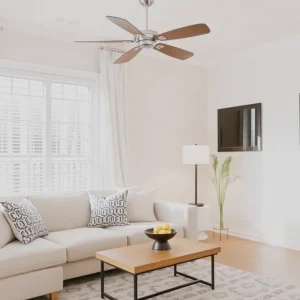
- Stage the high-value rooms in a restrained way. Put out clean hand towels, a folded throw, one or two neutral pillows, and a bowl of fruit if the kitchen needs a touch of life. Verify that staging supports the room instead of filling it. If the decor starts to look like a hotel lobby, you have gone too far.
- Do a safety and privacy sweep. Lock up jewelry, passports, prescription drugs, firearms, checkbooks, spare keys, and laptops. Check windows, the garage, basement access, and any pet door. Verify that valuables are out of sight and doors work normally. If there is any item you would not leave out for a repair technician, remove it now.
- Finish with a 10-minute walk-through. Walk the route a buyer would take from front door to backyard, looking for cobwebs, crumbs, fingerprints, pet hair, or a light that does not turn on. Verify that the house feels ready from the threshold, not just in isolated rooms. If your eye keeps landing on one problem, buyers will land on it too.
The common mistake is cleaning every corner and forgetting the first impression points. Buyers often decide how they feel about a house in the entry, living room, kitchen, and primary bath. The rest of the home still matters, but those rooms set the tone, so this open house checklist for sellers starts there.
How do I make the house show well in 30 minutes?

You make the house show well in 30 minutes by focusing on the 5 things buyers notice fastest: light, smell, clutter, floor space, and bathroom cleanliness. That is the shortest route to a presentable open house when the clock is tight, especially when you are following an open house checklist for sellers under time pressure.
With only half an hour, skip dusting book spines or reorganizing closets. Start where buyers will look and where they will form a judgment before they notice the details. I would use this order:
- Open curtains and blinds fully unless direct glare is harsh. Natural light can matter more than perfectly framed window treatments, though the best choice still depends on the room and the window.
- Turn on all lamps and overhead lights, even in daylight. A room with mixed lighting looks less flat in photos and in person.
- Empty trash cans, especially in the kitchen and baths. A full can is a small thing that signals neglect.
- Wipe kitchen counters, bathroom sinks, and mirrors until they are dry and streak-free.
- Vacuum visible floors, including the entry rug and any pet hair near baseboards.
- Hide shoes, backpacks, cords, and pet items from the first 3 feet inside the door.
- Put toilet lids down and remove bathroom clutter.
What should you verify? Stand in the entry and look toward the main room. If the eye catches clutter before the architecture, keep removing. Stand in each bathroom and smell the air. If you detect odor from drains, trash, or damp towels, that room still needs attention. A buyer may forgive a little dust. They rarely forgive grime, odd smells, or a house that feels too crowded to move through.
The trade-off is plain: quick prep helps presentation, but it does not repair deeper condition problems. A rushed open house can still work for a well-maintained home. It will not save a house with peeling paint, an obvious leak, or stained carpet that has clearly outlived cleaning. In those cases, the right move is repair or price adjustment, not just better staging.
What should I not do before buyers arrive?
Don’t overstage, overperfume, leave evidence of daily life out, or create anything that slows buyers down. An open house is not a home show; it is a walkthrough. Too much personality or too many scented products can hurt you, which is why the open house checklist for sellers focuses on subtraction rather than decoration.
Common mistakes I see sellers make:
- Leaving food and pet items out. Bowls, treats, litter boxes, and recycling bins tell buyers more about your routine than the home itself. The consequence is an odor story, even if you no longer notice it. The fix is to remove or hide these items before the open house begins, and if odors linger, consult a cleaning professional.
- Using heavy scent to mask smell. Strong candles, wax melts, and plug-ins can make buyers suspect a problem. The consequence is distrust. The better alternative is clean air, open windows for 20 to 30 minutes, and fully removed odor sources.
- Packing rooms with too much furniture. Oversized sectionals and extra chairs make rooms look smaller. The consequence is that buyers misread the square footage. The better alternative is to remove at least one piece from any room that feels tight.
- Leaving closets and cabinets jammed full. Buyers open doors. If storage spills out, they assume the house has no storage. The consequence is a smaller perceived home. The fix is to remove enough contents that shelves and rods look breathable.
- Skipping bathrooms because they are private. Bathrooms are not private during an open house; they are judged hard. The consequence is a clean house that still feels unclean. The correct alternative is to scrub mirrors, fixtures, grout lines, and the toilet base.
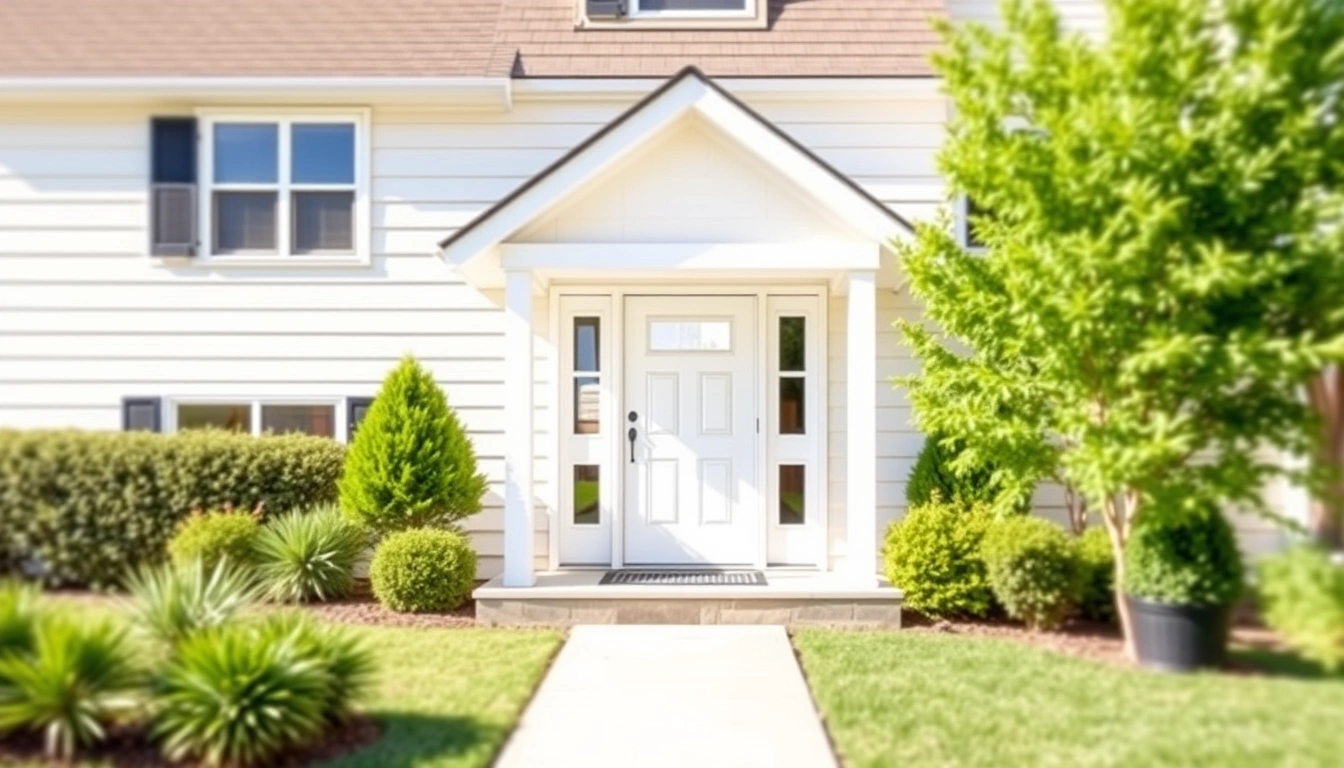
- Forgetting curb appeal. A messy porch, dirty doormat, or overflowing trash bin can sour the visit before anyone reaches the front door. The consequence is a weak first impression. The alternative is a 10-minute exterior sweep, including the porch, walkway, and visible entry glass.
A useful rule: if a temporary fix makes the house look fake, do less. Buyers want a clean, calm property, not a showroom that feels staged beyond belief.
When should I stop and do something else?
Stop this checklist and solve the underlying problem when the house has condition issues, safety concerns, or stubborn odors that are bigger than prep can hide. An open house is the wrong tool for certain problems, even when an open house checklist for sellers is otherwise enough.
Active mold growth or a wet, musty room: This means there is a moisture issue, not just a cleaning issue — fix the source and address the damage before showing the home. A dehumidifier and air freshener will not solve that. Buyers who notice mildew will start looking for the rest of the damage.
Gas smell, exposed wiring, tripped breakers, or a failed smoke alarm: This is a safety problem — postpone the open house until the issue is corrected. No presentation strategy outweighs a hazard.
Broken heat or cooling in an extreme season: This affects comfort and can make the home feel neglected — get the system repaired before scheduling traffic. A house that is too hot, too cold, or sticky feels harder to live in.
Pet odor that remains after cleaning: This usually means the problem is embedded in carpet, pad, baseboards, or HVAC returns — treat the source rather than layering scent on top. If the smell returns when the windows close, buyers will notice it.
Visible water stains, soft flooring, or bubbling paint: This suggests prior or ongoing leakage — identify the cause and repair it before buyers inspect the room closely. Cosmetic staging will not distract from a ceiling stain.
Clutter so large that rooms cannot be walked safely: This is a storage problem, not a staging problem — rent a short-term storage unit or move excess items off-site. If people have to edge around boxes, the home will feel smaller and less cared for.
These are the points where a seller’s checklist stops being enough. Push ahead anyway and the consequence is simple: buyers get nervous, then they bargain harder or walk away.
What are the edge cases sellers forget?
You need to modify the checklist when the house is occupied, vacant, unusually large, or being shown in bad weather. A standard open house plan works best for an average occupied home with normal wear, but the open house checklist for sellers still needs a few adjustments.
For a vacant home, cleanliness still matters, but dust and smell become more visible. I would increase the focus on floors, windows, and temperature control. A vacant house can feel cold and echoey even when it is spotless, so light all fixtures and leave window coverings arranged evenly. If the home has been empty for weeks, run water briefly in sinks and tubs so traps do not smell stale.
For a very small home or condo, the main issue is crowding. Remove more furniture than you think you should. In a 500- to 800-square-foot space, a single extra chair can distort the room. The goal is to let traffic move in a loop without bottlenecks.
For a large home with 4 or more bedrooms, buyers often miss circulation and scale. Open all interior doors, add light at the end of hallways, and keep one clear path through the home so people do not wander aimlessly. If the home has a bonus room or finished basement, label the space plainly as a den, office, or flex room so buyers understand the function.
When rain, snow, or mud show up, the entry becomes the whole first impression. Put out absorbent mats, wipe the threshold, and keep a towel nearby for wet shoes. If it is winter, set the thermostat to a comfortable range well before the open house so buyers do not walk into a cold house. If it is summer, avoid overcooling to the point that humidity makes windows fog or rooms feel damp.
How long should the prep take, and what does “ready” look like?
The prep should take 2 to 4 hours for an average occupied home, and closer to half a day if the place needs deep decluttering, pet cleanup, or furniture moving. A seller following an open house checklist for sellers should judge “ready” by what buyers will experience, not by how much effort was spent.
A home is ready when the route from entry to main living spaces is open, the kitchen and baths are visibly clean, the smell is neutral, and the rooms feel larger than the furniture inside them. That sounds simple because it is. If you need a second pass to remove one more bag of clutter, do it. If you need a professional cleaner for the kitchen, hire one. If you need to stop because a repair issue is bigger than the open house, stop.
The final test is practical: stand at the front door, take one slow look through the house, and ask whether a stranger could imagine living there without noticing your daily routine. If the answer is yes, the checklist is done.