Last updated: November 10, 2026
Quick Answer: buying a home safely and successfully usually starts with a payment cap, not a house hunt. Buying a home safely and successfully means protecting your cash, your legal position, and your monthly budget before you sign anything. The safest path is usually to think about inspections, financing, title, and closing costs before you shop for houses.
If you are trying to buy your first home, move up, or relocate without making an expensive mistake, the real question is simple: how do you get from preapproval to closing without overpaying, missing a defect, or ending up house-poor? The answer is to treat the purchase as a risk-management process, and to consult a qualified lender, real estate agent, attorney, or housing counselor when you need advice; the Consumer Financial Protection Bureau and HUD both publish consumer guidance on mortgage and closing basics.
I write on real estate, homeownership, and consumer decision-making, and the same pattern shows up every time: the buyers who stay safe are the ones who slow down at the right points and move quickly only when the paperwork is clean. Buying a home safely and successfully depends on that discipline from the start.
Key takeaways
- Start with your monthly payment ceiling, not the maximum loan a lender will approve.
- Get preapproved before you shop so you know your real price range and can move quickly when the right home appears.
- Use the home inspection to find deal-breaking defects, not to nitpick cosmetics.
- Ask for title insurance and review the closing disclosure before wire day.
- Keep an emergency reserve after closing; a home can fail you the first week you own it.
- Walk away if the numbers only work when you assume perfect repairs, perfect rates, or a future resale price that has not happened yet.
What a safe home purchase actually looks like
A safe home purchase is one where the numbers, the structure, and the title all check out before closing day. That means the mortgage fits your budget, the property condition is known well enough to price the risk, and no lien, easement, or ownership problem can surprise you later.
The mistake most buyers make is assuming safety is the same as getting approved for a loan. It is not. A lender may approve you for a higher amount than you should borrow, especially if your debts are light and your credit is strong. That approval says you can probably repay the bank. It does not say you can comfortably handle property taxes, homeowners insurance, repairs, HOA dues, utility swings, and the first roof leak.
A safer framework is this: decide your top monthly payment first, then work backward into price. Include principal and interest, taxes, insurance, mortgage insurance if required, and any HOA fee. If the home needs a new furnace, a roof with limited life left, or electrical upgrades, consult a licensed inspector or contractor and treat those as near-term costs, not abstract possibilities. The CFPB’s home loan toolkit and closing disclosure resources are useful here, and the National Association of Realtors also publishes consumer guidance on the mortgage process.
A safe purchase also uses a clean contingency structure. Common contingencies include financing, inspection, and appraisal. The details vary by market and contract form, but the idea is consistent: you need a legal exit if the loan falls through, the property appraises too low, or the inspection reveals something major. The National Association of Realtors and the Consumer Financial Protection Bureau both publish consumer guidance on mortgage process and closing documents; the CFPB’s home loan toolkit and closing disclosure resources are worth reading before you sign anything.
This approach is not for buyers who want to win bidding wars by waiving every safeguard. That can work in a few hot markets, but it turns a home purchase into an all-cash-style risk even when you are financing.
How much house can you really afford?
You can afford less house than the lender says yes to if you want to stay safe. The best budget is usually the one that still works after a water heater fails, a tax bill rises, or one income gets interrupted.
The cleanest rule is to set a hard monthly cap before you look at listings. From that cap, subtract the pieces that are easy to ignore in a mortgage calculator: property taxes, homeowners insurance, mortgage insurance if applicable, HOA dues, and a repair reserve. A house that looks affordable at a quoted mortgage rate can become tight once those extras are added. In 2024, 30-year mortgage rates often sat around the 7% range, so a small rate change could move the monthly payment materially.
Do not base the budget on the largest loan amount a lender offers. That number is built for underwriting, not for your peace of mind. A lender does not care whether you still enjoy travel, childcare, student loans, or retirement saving. You do.
The safer move is to leave headroom. If you can spend more, that does not mean you should. A narrower margin is especially risky if your income is variable, your job is tied to one employer, or the local market carries high property taxes and insurance premiums. In some regions, insurance costs alone can change the affordability picture materially, especially in coastal, wildfire-prone, or storm-exposed areas.
One practical check is to compare three numbers: your current rent, your projected mortgage payment, and your post-closing emergency reserve. If the new payment is higher but manageable, that may be fine. If the payment works only when the reserve is empty, the purchase is too tight. In other words, buying a home safely and successfully usually means keeping cash after closing, not spending every dollar on the down payment.
This section is not for buyers who plan to “stretch now and refinance later.” Refinancing depends on rates, income, credit, and home value. It is not a plan; it is a hope with paperwork.
What to inspect before you buy a house
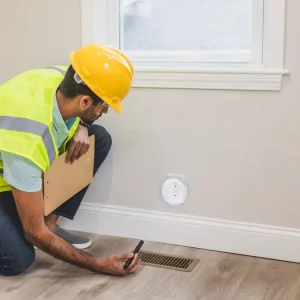
You should inspect for expensive failure points first: roof, foundation, drainage, electrical, plumbing, HVAC, attic, windows, and signs of moisture. Cosmetic flaws matter less than anything that can cost thousands to repair or can hide a larger problem.
A general home inspection is the baseline, not the finish line. Depending on the home’s age, location, and visible condition, you may also need specialist inspections for a sewer line, radon, mold, termite or other wood-destroying insects, chimney, septic system, or roof. The right add-on depends on the property, but a home with a crawlspace, an older electrical panel, or a history of water intrusion deserves more attention than a freshly painted one-story house with a newer roof. Buying a home safely and successfully often means paying for one more inspection, not one fewer.
The key is to read the inspection as a negotiation tool and a risk map. A cracked switch plate is not the same as double-tapped breakers in an outdated panel. Small cosmetic defects are useful because they reveal maintenance habits. Bigger defects matter because they change the cost of ownership.
A generic article often says, “Always get an inspection,” and stops there. That advice is too thin. The real question is what kind of defects justify walking away. Here is a practical line: walk if you discover structural movement that is active, major moisture intrusion without a clear fix, unsafe electrical conditions that are widespread, or a sewer, foundation, or roof problem that you cannot realistically afford after closing. Ask for estimates in writing if the issue is material. If the seller offers a credit, make sure it is large enough to cover the actual work, not a vague fraction of it. If you are unsure, consult a licensed inspector or contractor before you decide.
The inspection section is not for buyers who want a home that is “good enough” because the wallpaper is cute. Cute repairs can hide expensive problems.
The real difference between preapproval and prequalification
Preapproval is the stronger tool, and it is the one serious buyers should use. Prequalification is a rough estimate, while preapproval usually involves document review, credit pull, and a lender’s initial underwriting judgment.
That difference matters because sellers and agents treat the two very differently. A prequalification letter can be little more than an educated guess. A preapproval signals that a lender has already looked at your income, assets, debt, and credit closely enough to believe you can probably close, assuming the property appraises and your situation does not change.
Preapproval also helps you avoid emotional overreach. When you know the lender’s number, you can cross-check it against your own budget and decide if the mortgage actually makes sense. That matters in markets where competition pushes buyers to waive safeguards or bid beyond their comfort zone. Buying a home safely and successfully is easier when the preapproval number is treated as a ceiling to test, not a target to spend.
The downside of preapproval is that it can make you feel more powerful than you are. Borrowers sometimes hear an approval amount and treat it like permission to spend every dollar of it. That is where trouble starts. A higher approval does not erase maintenance, moving costs, furnishing, or the first year’s surprises. It only means the lender is willing to lend that amount under current conditions.
Prequalification can still be useful very early, especially if you are testing whether homeownership is realistic at all. It is a planning tool. It is not the letter you want when you are ready to write an offer.
For consumer guidance, the Consumer Financial Protection Bureau’s mortgage resources explain these differences clearly, and most lenders publish their own lists of the documents needed for preapproval. That is where you should start, not with social media advice.
How to make an offer without getting trapped
A safe offer protects you from two bad outcomes at once: losing the house to another buyer and overcommitting to a bad house. The best offer is competitive but still conditional enough to let you exit if the major facts change.
Start with the contract terms that matter most: price, earnest money, financing contingency, inspection period, appraisal contingency, closing date, and any seller concessions. The exact structure depends on your market and local forms, but those are the levers that change your risk.
If you are in a fast-moving market, you may need to be aggressive on price or timing. That does not mean you should remove every contingency. Waiving inspection, for example, turns unknown repair costs into your problem on day one. That can be reasonable only if you have the cash to absorb bad news and you are comfortable with the worst-case repair bill. Most buyers are not.
Earnest money deserves special attention. It is not just a deposit; it is a sign of seriousness and, in many contracts, part of the legal risk structure. If you walk away outside the contract protections, you may lose it. Know the exact conditions under which you can cancel and recover it.
The most overlooked detail is the appraisal. If the home appraises below your offer price and you do not have an appraisal gap strategy, you may have to bring extra cash or renegotiate. In a low-inventory market, that issue can break a deal that looked strong on paper.
This section is not for buyers who think the “winning offer” is always the highest number. A safe offer is the one that still works if the lender, inspector, or appraiser says no.
The honest side-by-side: what protects you most at each stage
The financing path wins for buyers who need structure and predictability; the all-cash path wins only when speed and certainty matter more than preserving liquidity. That is the clearest comparison in home buying because it changes the entire risk profile of the transaction. Buying a home safely and successfully often comes down to which path leaves you with more flexibility after closing.
| Criteria | Financed purchase | Cash purchase | Winner for condition |
|---|---|---|---|
| Speed to close | Usually slower because underwriting, appraisal, and lender conditions must clear | Usually faster because no mortgage underwriting is needed | Cash, when closing speed is the top priority |
| Cash preserved after closing | More cash usually remains available for repairs and reserves | Large cash outlay can leave liquidity tight | Financed, when the buyer wants an emergency buffer |
| Monthly carrying cost | Includes principal, interest, taxes, insurance, and possibly mortgage insurance | No mortgage payment, but taxes, insurance, and maintenance still apply | Cash, if avoiding debt is the main goal |
| Offer strength | Strong, but depends on lender approval and appraisal | Very strong because there is no financing risk | Cash, in multiple-offer settings |
| Risk of overpaying | Appraisal can act as a check on price | No lender appraisal required in many cash deals, so discipline must come from the buyer | Financed, when the buyer fears emotional bidding |
| Flexibility if repairs are needed | Extra cash can remain available for immediate work | Repairs may compete with depleted savings | Financed, when the home is older or imperfect |
| Paperwork complexity | More documentation and lender conditions | Less lender paperwork, but title and closing still matter | Cash, for simplicity |
| Long-term leverage | Buyer keeps leverage and can invest remaining funds elsewhere | No leverage, which lowers debt risk but ties up capital | Financed, for buyers who value liquidity |
The financed route is better for most buyers because it preserves cash. That cash is not optional fluff; it is what pays for the surprises the inspection missed, the furniture you still need, or the emergency that hits six months later. The weakness is obvious: more moving parts, more lender scrutiny, and more ways for the deal to slip.
The cash route wins for buyers who need a clean, fast close and who can absorb a large illiquid position without stress. The weakness is just as obvious: once the money is in the house, it is harder to use for anything else. That can be a serious problem if the roof, HVAC, or plumbing fails soon after closing.
The right choice depends on whether you need liquidity or speed more.
How to close without getting scammed or surprised
You close safely by controlling wire instructions, reviewing the closing disclosure early, and confirming every fee before funds move. The biggest closing-day risk is not the stack of paper; it is the wrong wire instructions or a last-minute change that nobody verifies.
A real closing should come with a closing disclosure or equivalent final settlement statement that matches the loan terms you were promised. Read every line. Check interest rate, loan amount, prepaid taxes, insurance escrows, title charges, lender fees, and seller credits. If a fee appears that you never saw before, ask why it is there before signing.
Wire fraud is a serious risk in real estate. The safe rule is simple: never rely on an email alone for wiring instructions. Confirm by phone using a number you already know is legitimate, not a number pasted into the message you just received. If the title company or closing attorney changes account details at the last minute, treat that as a red flag until verified through an independent channel. The FBI has repeatedly warned buyers and sellers about real estate wire fraud, and that warning belongs in any buying a home safely and successfully checklist.
You also want a final walk-through close to closing, usually within a day or two depending on local practice. This is not a courtesy tour. It is your chance to confirm the property is in the condition agreed to in the contract and that any negotiated repairs were completed.
On closing day, bring government-issued identification, any required cashier’s check or wire confirmation, and patience. Once documents are signed and funds disburse, the leverage shifts sharply away from you. That is why all the important checks must happen before the pen touches the paper.
This section is not for buyers who want to “handle details later.” Later is too late in a mortgage transaction.
When does a home purchase stop making sense?
A home purchase stops making sense when the numbers only work on paper and the risks are still open. That usually means the payment stretches your budget, the home has unresolved major defects, or the title and contract terms are not clean enough to justify the move.
There are four exception scenarios where the overall “safer, slower, cash-preserving” advice flips:
- You need to move in a fixed time window. If you are relocating for work and must close by a specific date, a faster cash-style offer or a highly streamlined financed offer may be worth the trade-off.
- The property is highly competitive and nearly turnkey. If the home is newer, well documented, and in strong condition, a buyer may accept tighter terms to win it, especially when the inspection risk is lower.
- You have substantial reserves and want certainty more than liquidity. Some buyers can comfortably buy with cash or a very large down payment and still keep a meaningful reserve. For them, debt aversion can be a rational choice.
- The house needs major work but the price reflects it. A fixer can make sense if you have accurate contractor estimates, time, and cash for the repairs. Without those, it is a trap.
The same rule applies in every case: do not buy a house because the story sounds good. Buy it because the budget works, the inspection risk is acceptable, and the title and contract are clean enough to close with confidence.
If one of those pillars is missing, the correct move is often to walk away. That is not failure. That is discipline.
The Verdict: who should buy, and who should wait
Choose a financed purchase if you want to keep cash for repairs, emergencies, and life after closing. Choose a cash purchase if you need speed, certainty, and a stronger offer, and you can afford to tie up a large amount of money without stress. Neither if the payment only works by emptying your reserve, waiving core contingencies, or assuming major problems will not appear.
That is the safest answer because homeownership is not won by getting to closing at any cost. It is won by still being comfortable after the keys are in your hand.
What to do next, in order
You should move in this order: set your monthly ceiling, get preapproved, collect documents, inspect the target home, review the title and closing figures, and keep a reserve after closing.
A practical sequence looks like this:
- Decide the highest monthly payment you can live with for at least 12 months.
- Get a mortgage preapproval, not just a prequalification.
- Compare neighborhoods, taxes, insurance patterns, and commute costs.
- Write offers with financing and inspection protections unless you have a clear reason not to.
- Use the inspection to price actual risk, not to renegotiate every cosmetic flaw.
- Read the closing disclosure line by line and verify wiring instructions by phone.
- Keep emergency cash after closing instead of spending every available dollar on the down payment.
This is the part most generic home-buying articles miss: the purchase is not complete when the offer is accepted. It is complete when you still have money left, the property is livable, and the paperwork cannot surprise you later.
For official consumer guidance, the Consumer Financial Protection Bureau publishes clear explanations of mortgage shopping, closing disclosures, and loan estimates, and the U.S. Department of Housing and Urban Development explains many first-time buyer and housing counseling basics. Those two sources are worth reading before you commit to a contract.
Drafted with AI; not yet reviewed by a person.